
For decades, the resume has been the front door to recruitment. What happens if it is no longer useful when identifying the right hire?
The question was pitched during a panel session at Avature Upfront EU 2026 by IBM’s Jon Lester, who cited internal research suggesting that the resume is only “about 20 percent relevant today.”
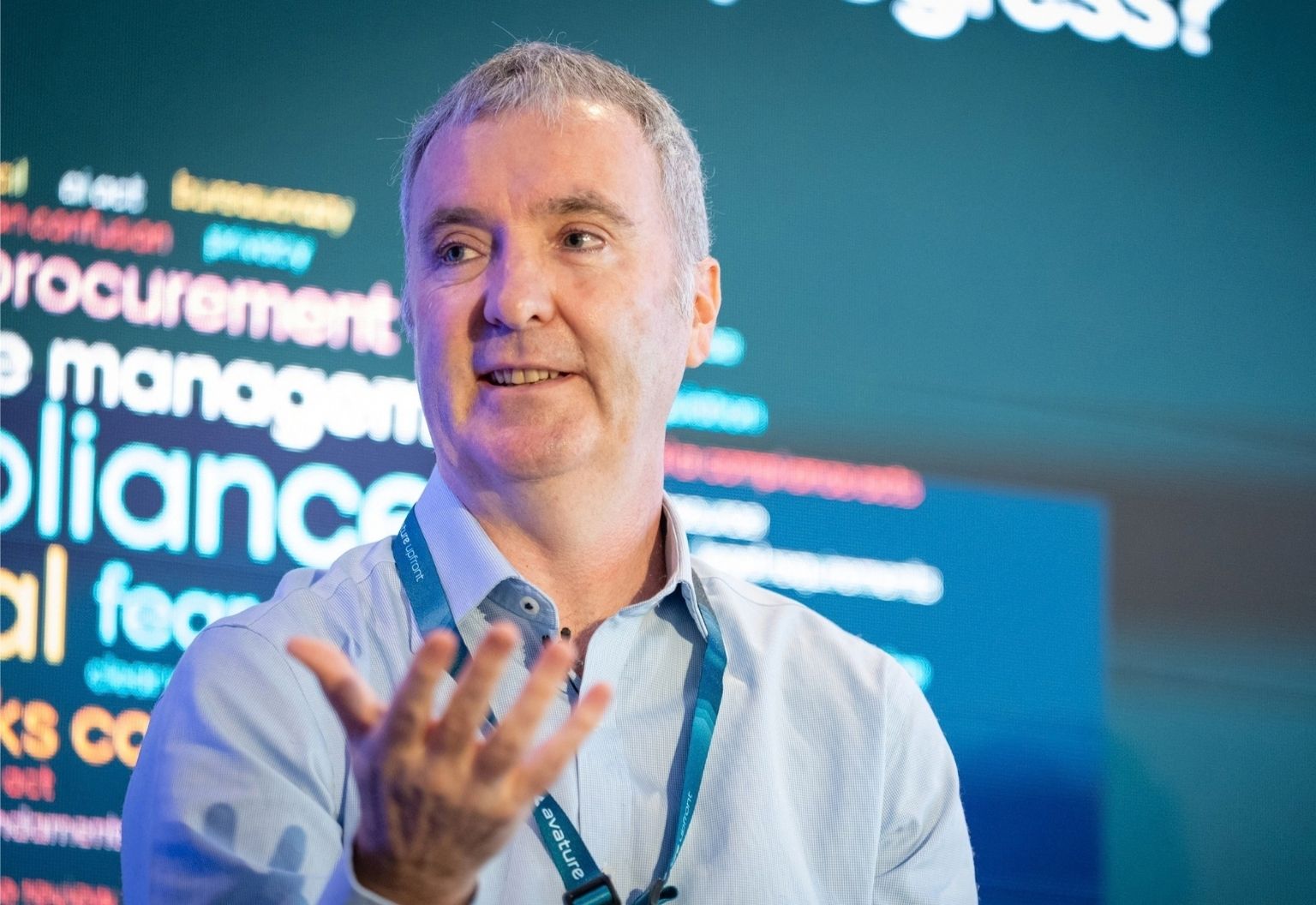
If something so fundamental to our understanding of the hiring process can be placed in doubt, what other tenets should we question? Which processes and activities exist because they still create meaningful value, and which survive largely because that is how the work has always been done?
These questions arose repeatedly over three packed days in Barcelona, as attendees and presenters shared their experiences alongside the considerations, use cases and technologies that will go a long way toward answering them.
Key Takeaways
- Avature launches Workforce Planning, with the extension into core HR coming next. Together, they extend the platform for a more connected view of workforce data, planning and employee management.
- AI may demand a rethink of HR, but most organizations are still working out where to begin. Panel audience polling showed relatively few had deployed AI across most of TA, but experts and customers show the value of starting small and building out.
- Customers show how operational fixes pave the way for wider strategy.
Simplifying processes, connecting data and increasing visibility can turn a narrow transformation project into a platform for future workforce planning. - Responsible AI adoption is as much an organizational challenge as a technical one. Ownership, trust, policy, fraud prevention and regulation need to be worked through cross-functionally.
- Avature 11 marks a major expansion in platform capability.
Launching later this year, “the biggest increase in platform power in Avature’s history” will use AI-assisted configuration and conversational building to significantly narrow the gap between idea and execution.
Designing HR for the Hybrid Organization
Avature Founder and CEO Dimitri Boylan opened the conference by noting that AI is more powerful and the pace of change faster than we had anticipated. Keeping up with that change, he stated, would require a rethink of how enterprises operate.
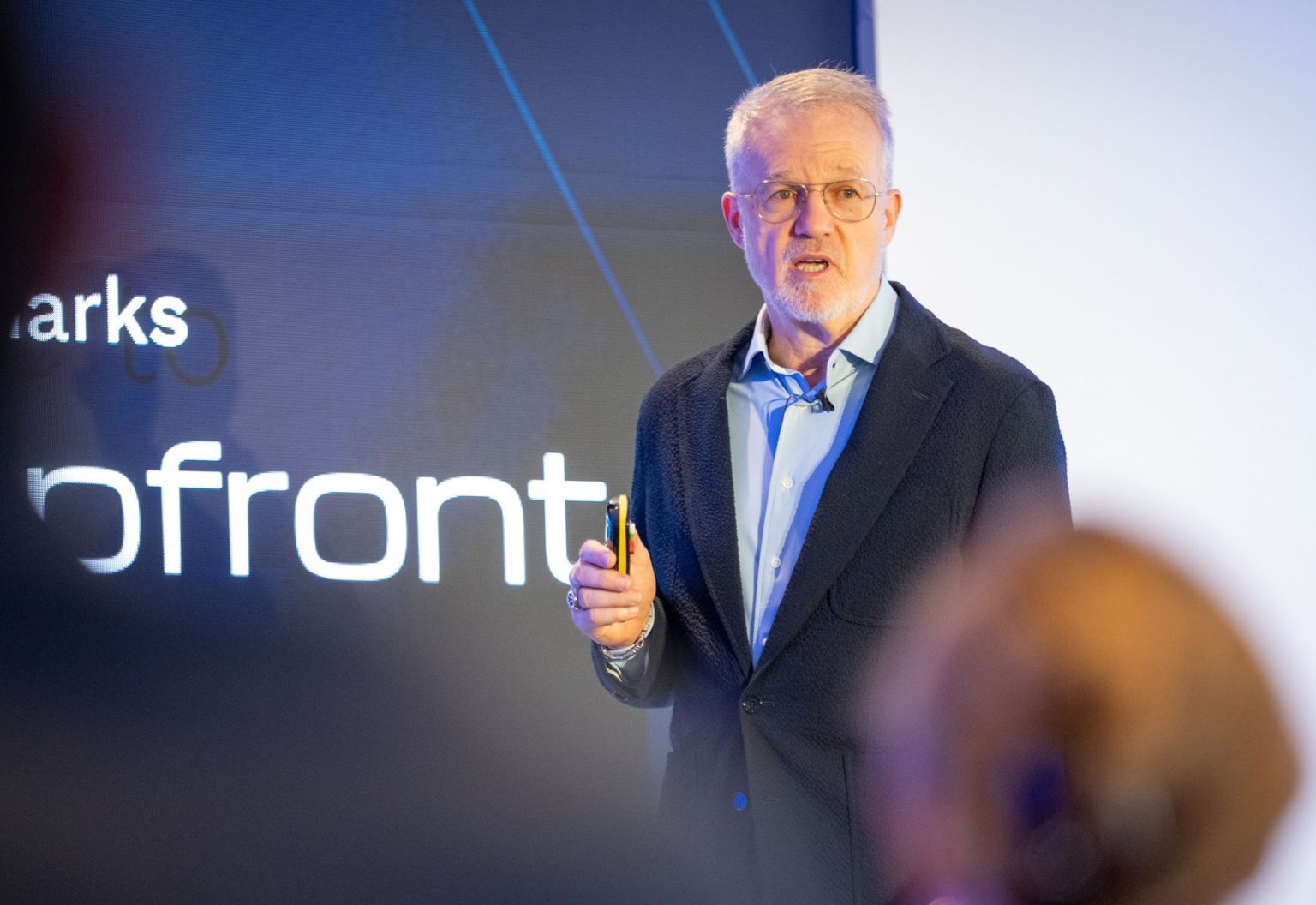
We’re entering a new reality, that of the “hybrid organization”, he stated, in which agents will take on repetitive operational work and even create new avenues to dynamically pursue a defined goal, while systems govern and humans direct. This has huge consequences for how we design work and the systems to support it.
He cautioned against restricting our options to a series of false dichotomies — people or agents, rules-based automation or AI, autonomy or control — elaborating that the emerging model will instead need to be more elastic with the mix determined by the desired business outcome.
To respond to this new reality, he announced the upcoming release of Avature 11, the most comprehensive and powerful update in the platform’s history. Many of the new features, along with recent releases, would be showcased in technical, power-user, and roadmap sessions throughout the conference.
We are working on AI-assisted configuration tools that will radically increase your ability to build solutions. The distance between understanding what needs to change and being able to make that change is going to shrink significantly.”
Dimitri Boylan
CEO, Avature

He went on to reveal Avature’s expansion into HCM next year, with a number of solutions, including absence management and compensation analysis, are already being developed with customers and made possible by Avature 11’s new capabilities.
It is, he underlined, the natural extension of Avature’s vision of a total talent framework, encompassing the whole employee experience while connecting HR’s key functions both horizontally and with the strategic objectives of the business.
Simplify First, Automate Second: Where to Start With AI
The timely What It Really Takes to Build the Future of TA panel session explored a number of burning topics, from questioning whether resumes should give way to more predictive assessments to realistic planning horizons.
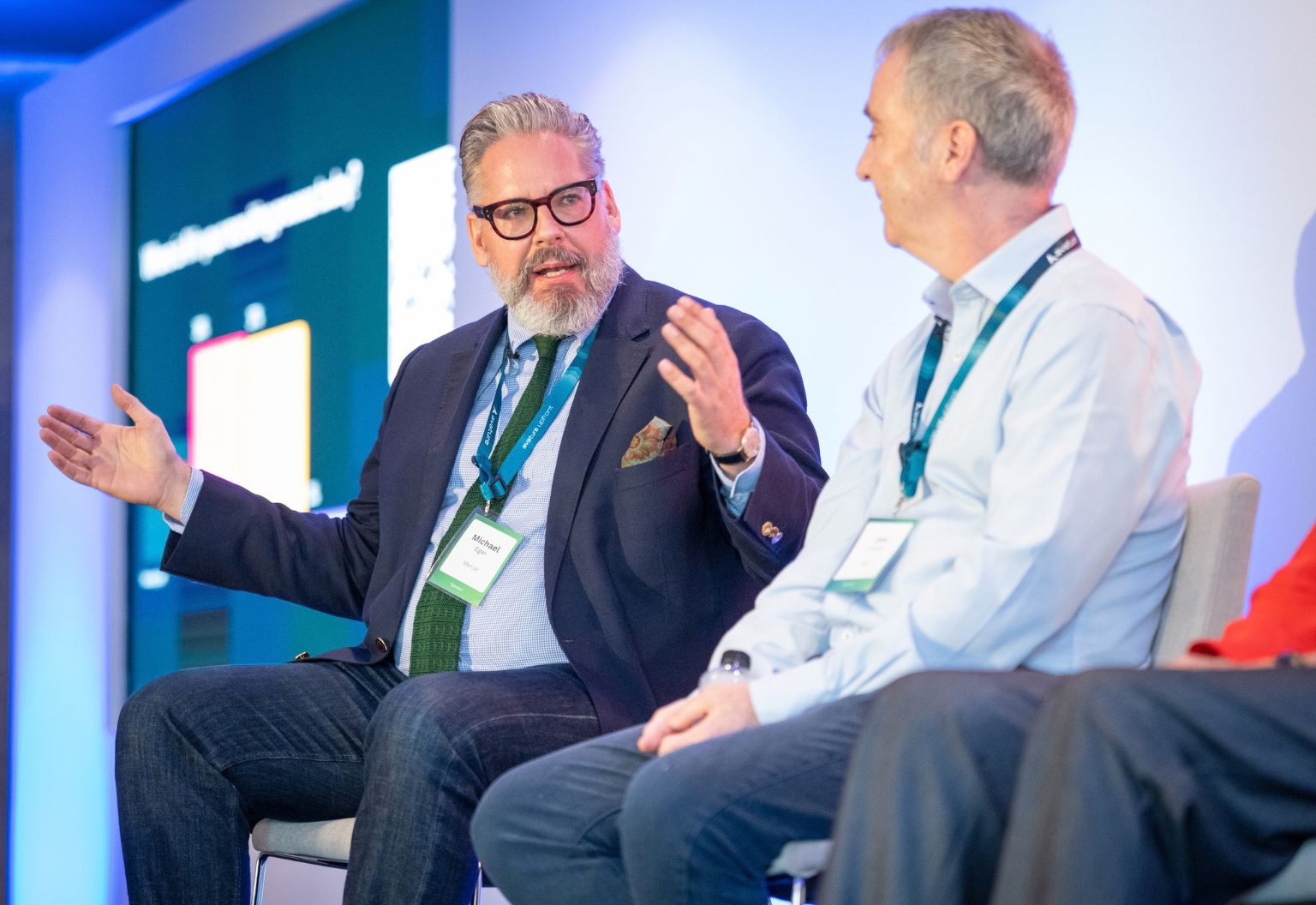
It began with Michael Eger, Partner at Marsh, setting out the ever-growing and often conflicting demands currently being placed on TA leaders. These unrealistic expectations, he said, brought to mind the German metaphor of an “egg-laying wool-milk-pig”, which, despite its unusual imagery, had many in attendance nodding in recognition.
The panel suggested that meeting these expectations will require more than adding AI and automation to existing processes.
AI is not an evolution of what we’ve done for years. It’s a complete revolution… every single task you do or process has to be reinvented from a blank sheet of paper.”
Jon Lester
Vice President HR Technology, Data & AI, IBM
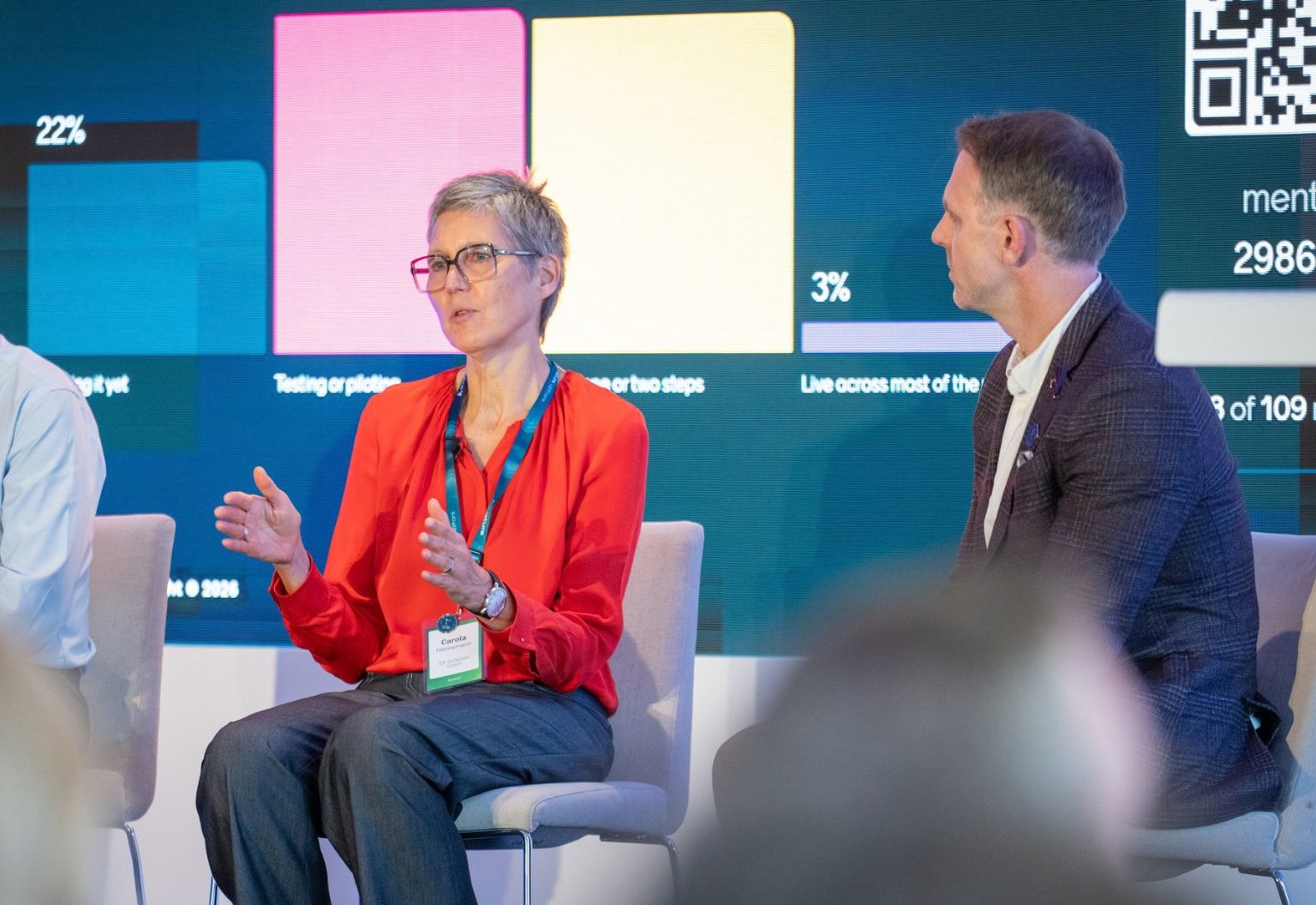
However, audience polling suggested a large gap between this future state and the current reality. Of 81 respondents, 31 were testing or piloting AI, and another 30 had it live in just one or two stages of the process. Only two had deployed it across most of talent acquisition.
The panel acknowledged the barriers to AI-driven transformation such as difficulties consolidating skills data, an uneven regulatory landscape and unclear ownership at organizational level.
Yet, Carola Hennemann, Managing Director, DB Zeitarbeit, described how at the German infrastructure giant, one so-called obstacle, the works councils, was actually considered a key enabler of change when brought into the process:
We take them on our TA journey to find solutions together so that they understand everything is still regulated and transparent and there’s no discrimination.”
Carola Hennemann
Managing Director, DB Zeitarbeit
Eger, meanwhile, felt that there should be closer attention paid to the emotional reticence of employees and other stakeholders when trying to push through the transformation.
I think this psychological impact is underestimated by the leadership teams.”
Michael Eger
Partner, Marsh
However, for many, it is simply a matter of knowing where to start.
For those who may be finding themselves in a state of paralysis by analysis, the panel recommended starting with the process itself: eliminate tasks that add no value, simplify what remains and – only then – use AI to automate. Not doing so risks merely accelerating outdated processes.
Fix One Process First: What Deloitte, the MoJ and the Council of Europe Did Differently
Indeed, some of the most compelling stories at Upfront were not about organizations already operating futuristic AI-powered HR functions, but those doing the less glamorous work that makes that future possible.
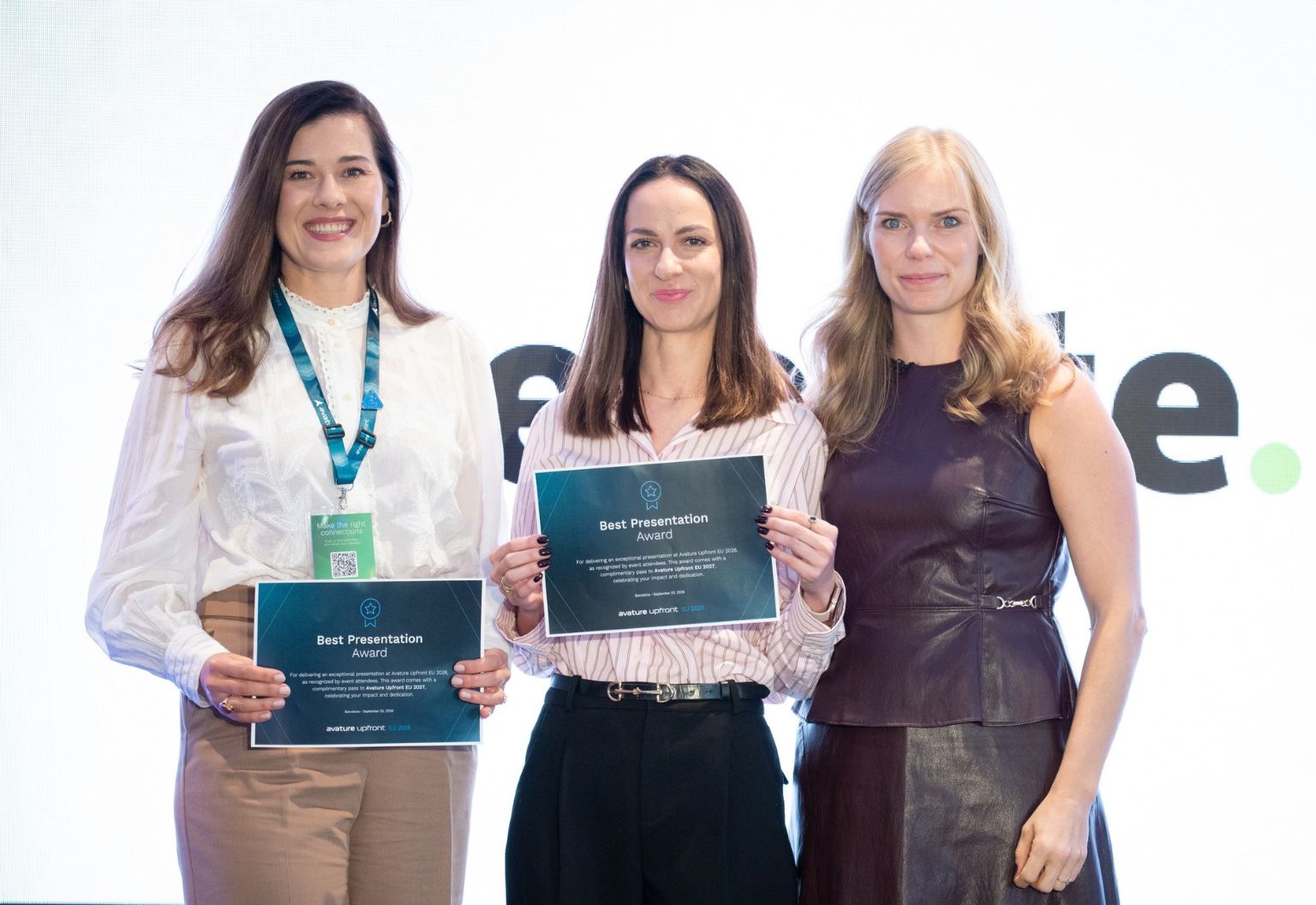
Offering perhaps the clearest example were Katarzyna Cioczek-Dziewulska, CE Talent Acquisition & Employer Branding Lead and Aneta Szymańska-Janecka, Delivery Centers Talent Acquisition Lead at Deloitte Central Europe. In what would go on to be voted best presentation, they shared how Deloitte CE was moving from 16 local recruitment models to one regional engine across 16 countries, six delivery centers and five business lines. To win support for such a significant shift, the team needed to demonstrate value quickly.
They chose offer management as their proof point: a complex, highly visible process involving more than 300 offer letter variants, manual approvals and inconsistent practices across the region.
Echoing the panel’s advice, rather than transfer that complexity into a new system, they looked to first simplify, questioning why many legacy requirements existed and eventually reducing the variants to three core offer types while creating stronger governance and flexibility.
The impact was immediate:
- Time to hire fell from 55.1 to 23 days
- Offer acceptance rose from 81 to 87 percent
- TA headcount reduced by 34 percent
But the deeper transformation was that, having been freed from administrative work, recruiters could start to move from a once reactive approach to occupy a more proactive, advisory role.
Today, we see recruiters acting more as talent advisors, workforce planners and regional subject matter experts. Instead of simply reacting to hiring requests, they are helping the business to interpret market trends and support better hiring decisions.”
Aneta Szymańska-Janecka
Delivery Centers Talent Acquisition Lead, Deloitte Central Europe
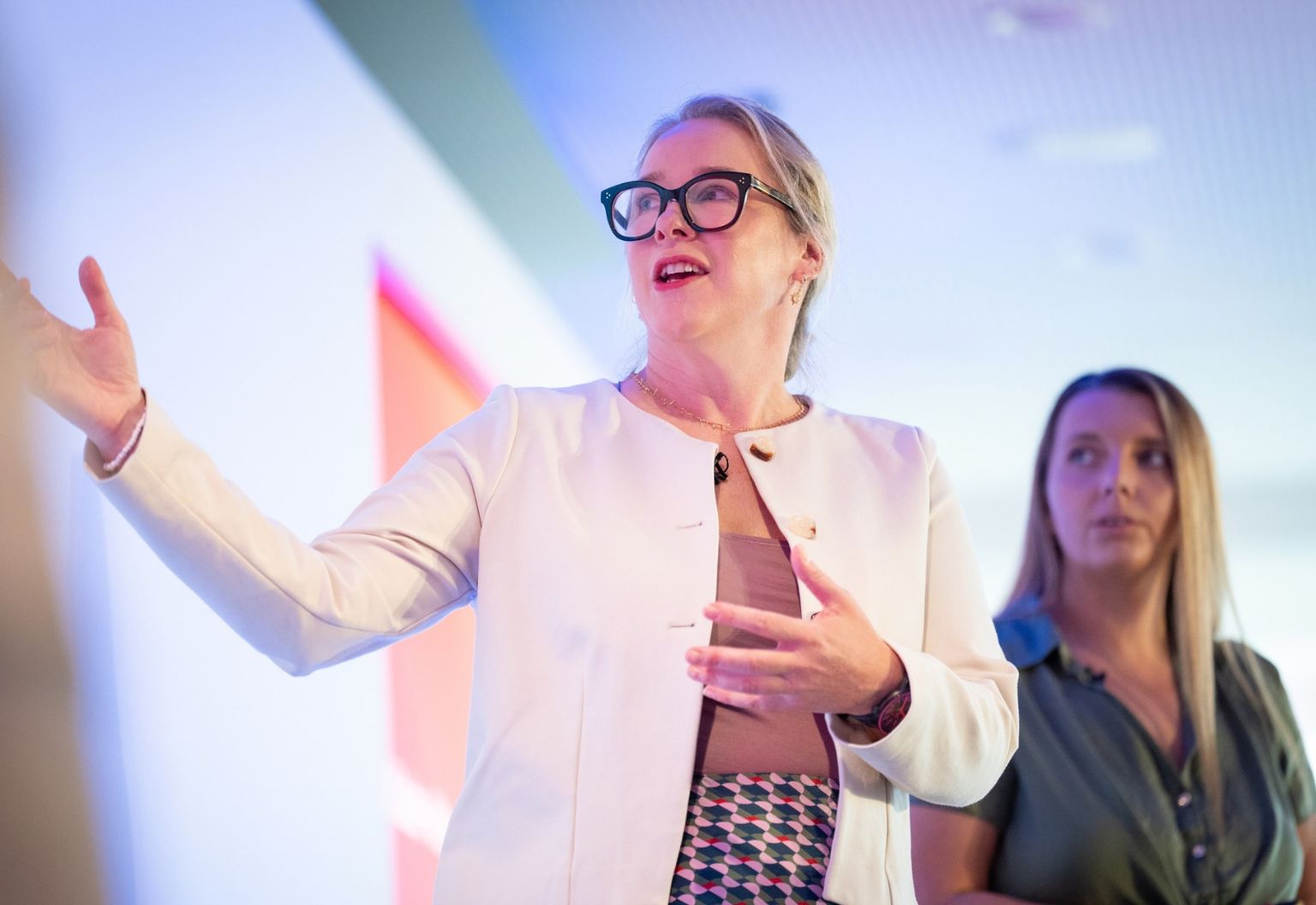
The UK Ministry of Justice and Sopra Steria introduced an equally useful qualification: complexity itself is not necessarily the problem.
Serving an organization of around 75,000 people, the MoJ’s recruitment operation spans five core activities and more than 35 campaign types, each with its own scoring, assessment, progression and onboarding rules.
Jordan Larrazabal, Head of Resourcing Services, and Olivia Atwick, Senior ATS Consultant at Sopra Steria together with Jo Lishman-Cook, Chief Occupational Psychologist at Ministry of Justice, explained how they had built shared components and configurable workflows that can support genuinely different journeys without needing to create a separate system for every variation.
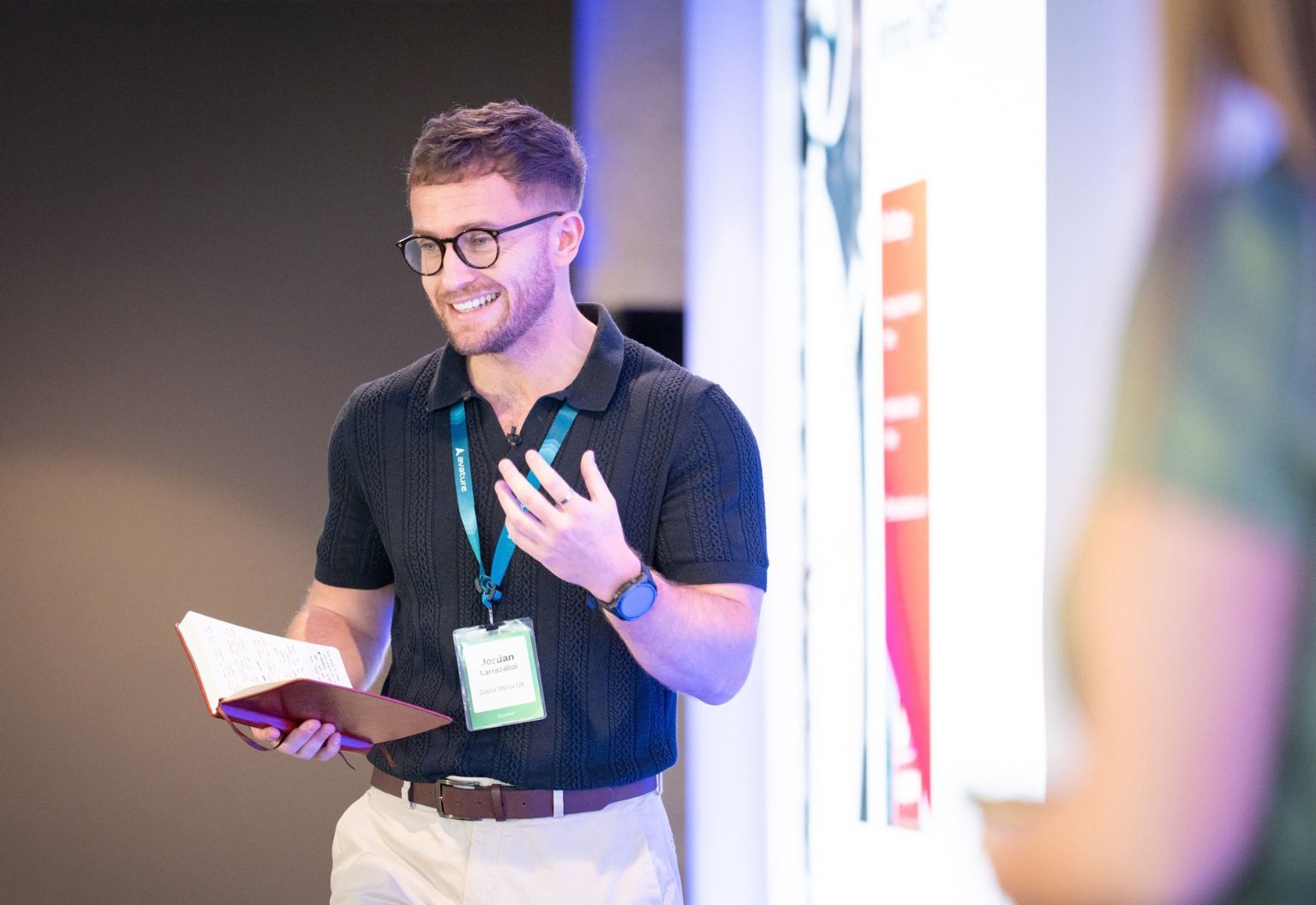
Prospects and candidates are now supported with richer information, webinars and role-specific content, while a connected onboarding experience provides timelines, guidance, tasks and even the opportunity to arrange prison visits to meet future colleagues before day one.
The approach had to withstand a robust stress test when a successful brand campaign drove applications to around 50 percent above normal levels, which, in turn, increased background-checking activity by 400 percent. The outcome more than justified the effort:
- Reduced time to hire by 20 percent for prison operational roles and 80 percent for trainee probation roles
- Approximately £180,000 in annual savings
Building the Foundation Talent Management Can Sit On
Perhaps the more instructive lesson from Deloitte CE’s earlier story was that transformation requires organizations to distinguish between rules that protect something valuable and habits that have merely acquired the appearance of rules. That theme was pushed to the fore during a thought-provoking session from the Council of Europe.
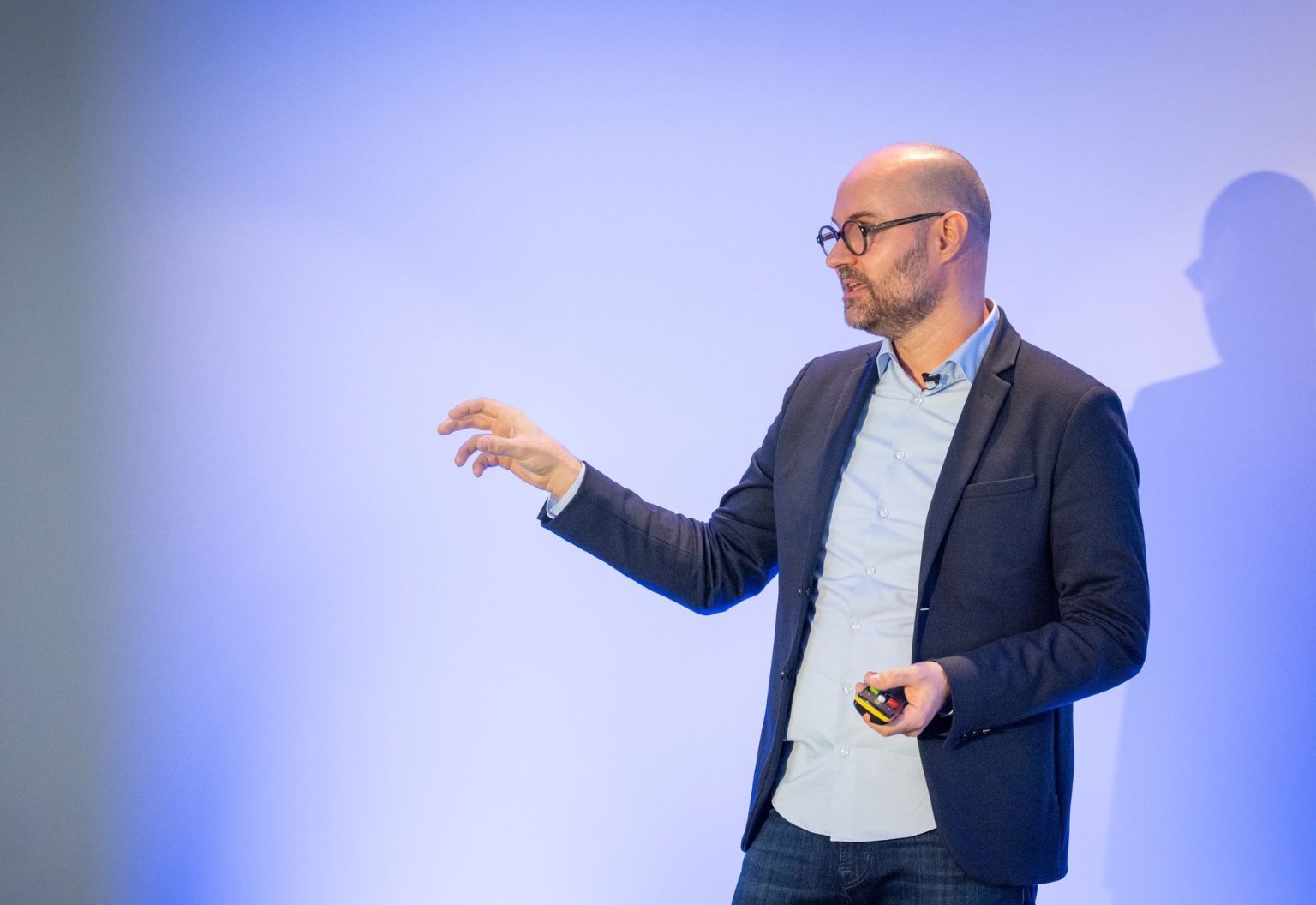
Given the Council’s remit to uphold human rights, democracy and the rule of law, its recruitment processes have to meet exceptionally high expectations around transparency, equal treatment and defensibility. This is only heightened by the fact that many applicants are themselves lawyers prepared to scrutinize or even litigate a hiring decision.
So when a three-person team was given five months to replace a 20-year-old ATS and meet 72 must-have requirements, simply pursuing efficiency was never going to be enough.
Again, rather than rebuild nine recruitment procedures as nine separate workflows, the team examined which differences genuinely had to exist and which could be handled through one configurable process.
- Around 10 disconnected tools became one platform
- Application completion rose from roughly 50 percent to 97 percent
- Helpdesk demand during recruitment peaks dropped from around 100 emails a day to between five and ten a week
The project also changed the team’s relationship with the technology. By training its administrators and owning the configuration, the Council no longer needed to achieve perfection before going live. It could improve the solution as its needs became clearer.
Changing something stopped being a project and became an afternoon.”
Jean-Etienne Kautzmann
Head of Recruitment and Employment Management, Council of Europe.
That freedom encouraged the team to go further. Internal mobility, contract offers, HRIS and performance-review integrations, and employee and hiring manager portals were brought into the same connected ecosystem.
The next stage is still taking form, with plans to rethink performance reviews, consolidate skills and organizational data, and develop workforce planning capabilities. As Kautzmann explained, a project to replace a tool that published jobs and collected applications ended up becoming the foundation that the rest of talent management can sit on.
Reliable Data, Better Talent Decisions
Building the platform upon which wider talent activity can sit was a key theme for TenneT Germany.
Two years ago, the electric grid infrastructure specialist delivered a memorable account of its revamped TA operation. This year, the immediate problem to solve was performance management.
As Patrick Kramer, Business IT Advisor at TenneT, explained, there was no standardized system, only locally managed documents and processes. HR could not reliably answer whether reviews were happening, apply consistent standards or build trustworthy data from the process.
Today, having designed one consistent, reportable process around real manager-employee dialogue, TenneT:
- Tracks 5,339 performance processes in one place
- Achieved a 92 percent measured usage rate for yearly reviews
- Made every completed review reportable and auditable
Before, we had no clue whether reviews were happening. Now, we can track completion, identify where follow-up is needed and start using performance data to support better decisions.”
Patrick Kramer
Business IT Advisor, TenneT
But visibility was only the first milestone. TenneT now sees reliable performance data as a foundational layer for skills management, targeted development and retention. In an industry facing significant skills shortages, these are important pieces of the wider workforce planning puzzle.

Much has been made recently of the impact of AI on early careers. The need to preserve pathways into a sector dealing with skills scarcity was a central theme of another presentation, this time by BWT Alpine Formula One Team, for whom experienced Formula One talent is in short supply and specialist capability takes years to develop.
Alpine explained that to counter a negative trend and future-proof pipelines, it has established a number of key initiatives:
- Expanded university partnerships, apprenticeships and 13-month placements as part of a longer-term talent strategy
- Increased placement intake from 10 students in 2023 to 37 in 2026, with 50 planned for 2027.
- Achieved 50 percent female representation in the 2025 and 2026 cohorts
The impact isn’t only felt in the future: students have already developed concepts that ultimately made it onto the car.
Early careers is not recruitment. It’s workforce planning.”
Solmaz Jabari
Human Resources Director, BWT Alpine Formula One™ Team
Unveiling Avature’s Workforce Planning Solution
As organizations confront faster skills obsolescence and uncertainty around which tasks and roles AI will absorb, they will undoubtedly need to look beyond hiring as the only possible response to a capability gap.
One of the clear benefits of the platform approach prevalent at Upfront was that if the systems are properly integrated and coordinated, developing or redeploying existing talent – or even redesigning the work itself – could form part of the palette of solutions. That logic was in evidence during the first look at Avature’s Workforce Planning solution.
Designed to connect business direction with workforce data and execution, it allows organizations to model future capacity and skills gaps, compare scenarios and determine whether the appropriate response is to hire, borrow, develop, move, redesign or automate work.
Because planning sits on the same platform as recruiting, mobility, learning and performance, approved plans can then flow directly into execution and be monitored as conditions change.
At a time of such flux, when connected systems and workforce agility will define much of HR’s response, Avature’s Workforce Planning solution will become a keystone in the wider platform approach.
Working Through the Hard Questions of AI Adoption
During the conference, Avature-led presentations and seminars walked attendees through how to get the best out of Avature’s agentic capabilities, ranging from candidate insights and interview preparation to application analysis and conversational experiences.
Meanwhile, a series of workshops brought HR leaders together to also think beyond the technology’s potential and share their lived experiences. Guided by the principle that ‘scaling requires evidence, not enthusiasm’, they focused on defining how specific AI use cases contribute to the business’s objectives, how value is measured, and in each case how much autonomy the task warranted and where human judgment should remain.
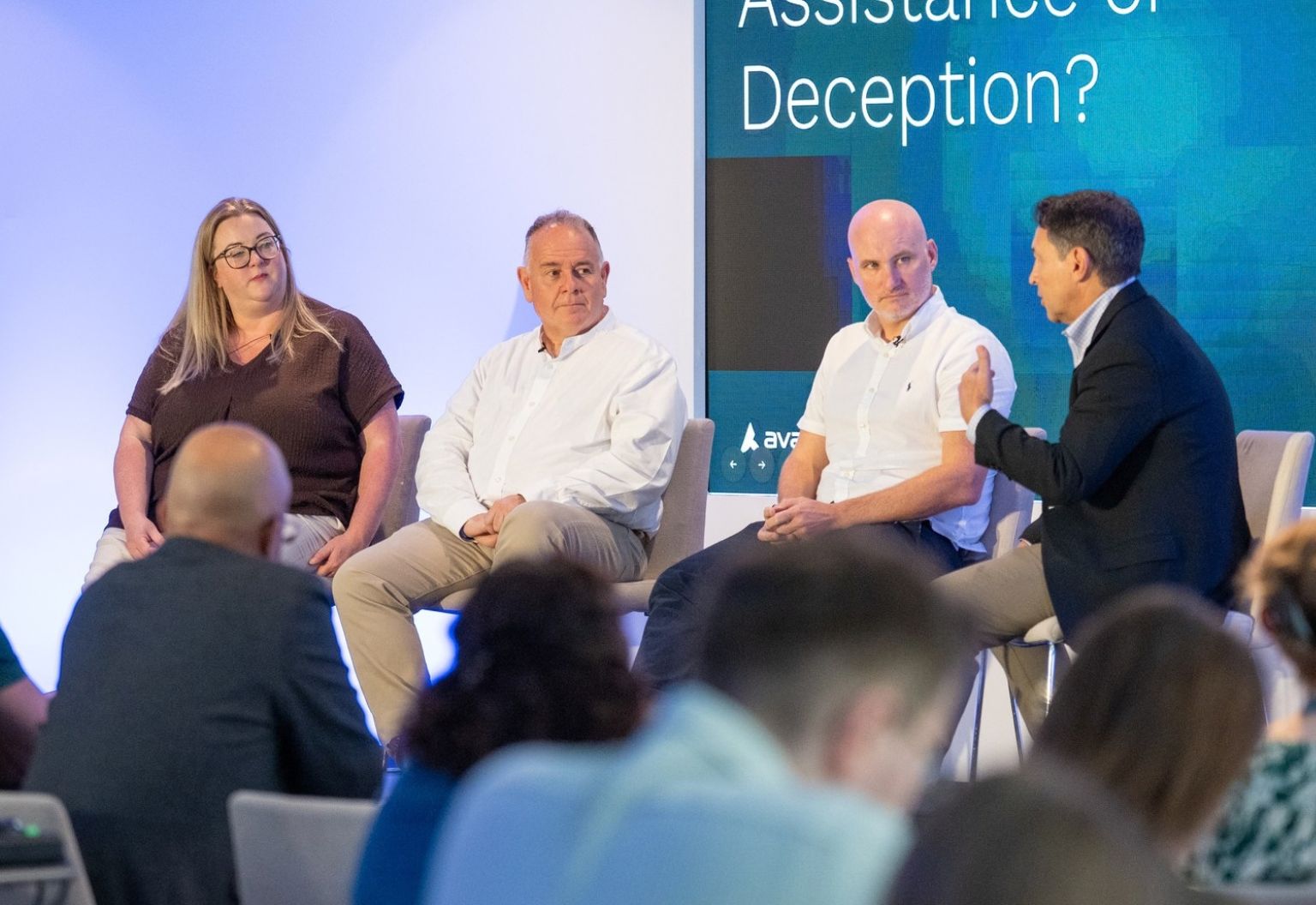
It’s also worth remembering the capabilities that make AI useful in recruitment can also be used to undermine trust in the process. Carrie Small, Head of Talent Experience and Innovation at Virgin Media O2, Pete Viney, COO at Sopra Steria, Jim Schnyder, President of Recruiting Advisors and Alan Gregg, Director of Global Professional Resourcing at Specsavers made up the Hiring Under Threat panel. Together they explored this double edge through the various forms of candidate fraud many are wrestling with, from AI-enhanced resumes and live interview copilots to proxy interviews and beyond.
As discussed, what once might have been treated primarily as a quality-of-hire issue can increasingly intersect with information security, as the traditional issue of resume embellishment moves to organized identity deception in a remote world.
The audience poll exposed a notable gap between exposure and governance:
- Of 67 respondents, 22 confirmed they had encountered suspected deceptive AI use
- Another 16 suspected it but could not confirm it
- 40 percent had no clear policy for managing candidate fraud
While tools like Avature’s candidate fraud detection can go some way toward raising flags that suggest malicious use, policing the issue often goes beyond technology alone, with stronger partnerships with InfoSec, better hiring manager training and more robust identity checks at onboarding becoming essential.
Questions of ownership and accountability also apply to the AI systems organizations deploy themselves.
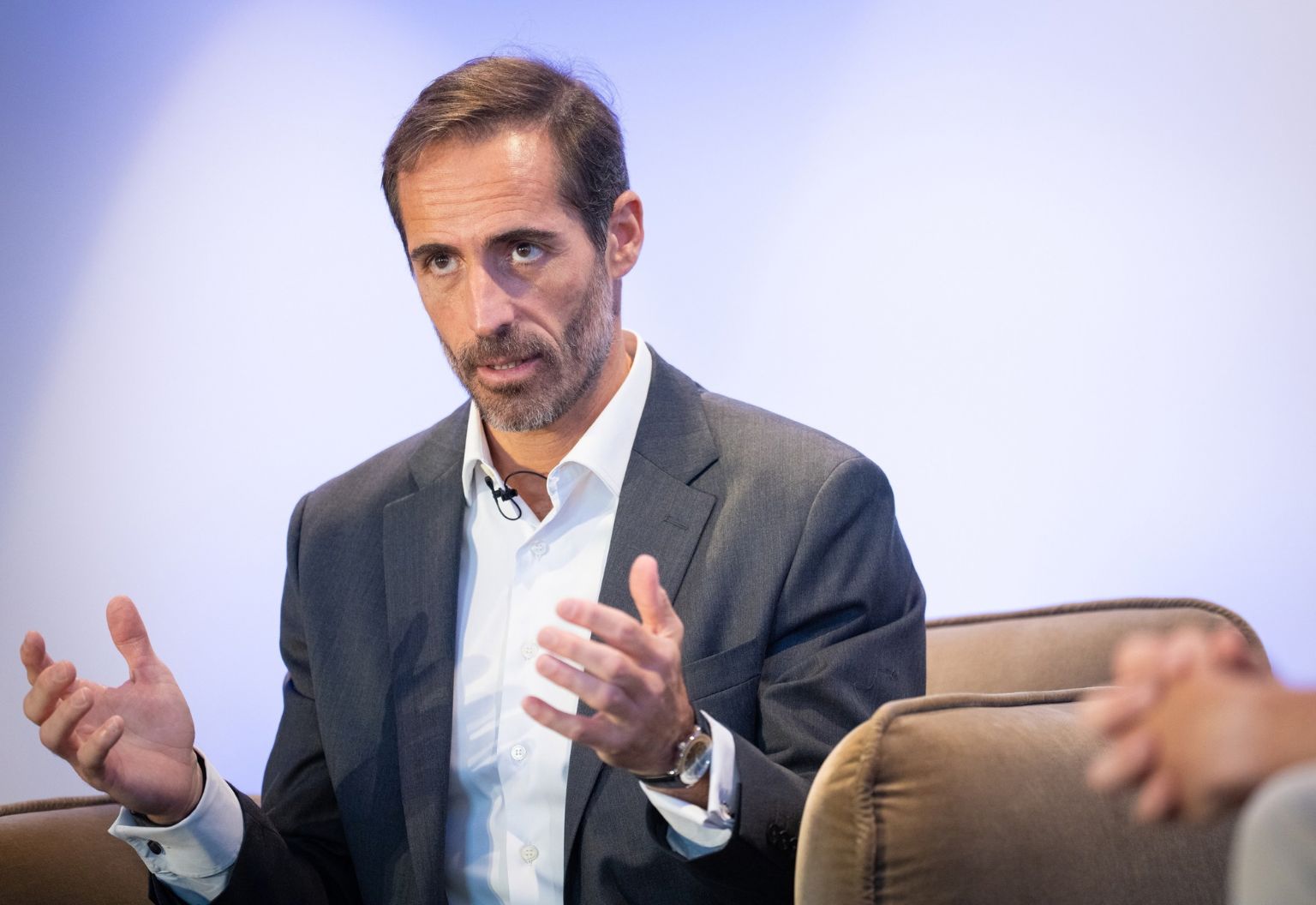
In a timely discussion, Gonzalo F. Gállego, Partner, IP, Digital Law, Privacy and AI at Hogan Lovells Cadwalader, shared a framework for navigating the complex regulatory environment organizations are faced with, especially in the wake of the EU AI Act and others that have emerged at local and market level.
Gállego argued that organizations should treat AI Act compliance as part of a broader governance model rather than a standalone legal exercise. His practical starting point was to bring together legal, privacy, HR, security and technical stakeholders, then build an inventory of the AI systems already in use — something he said often reveals more activity than organizations expect — while understanding how the way those systems are used or modified can change an organization’s role and responsibilities under the Act.
The implementation of the AI Act is a perfect excuse to govern AI in a more holistic way.”
Gonzalo F. Gállego
Partner, IP, Digital Law, Privacy and AI, Hogan Lovells Cadwalader
Avature 11: Shortening the Distance From Idea to Solution
Across Upfront, Avature showcased a mix of recent additions and near-term roadmap developments, from agentic analytics to advances in scheduling and the AI Interviewer for spoken, on-demand screening. Meanwhile, Configuration Manager is designed to help customers compare environments, identify changes and move configuration between them with less manual effort and lower risk of inconsistency.
Avature’s one-platform approach ran through the use cases on show, with AI helping surface talent and workforce signals, support development and learning and turn those insights into action across the employee lifecycle.
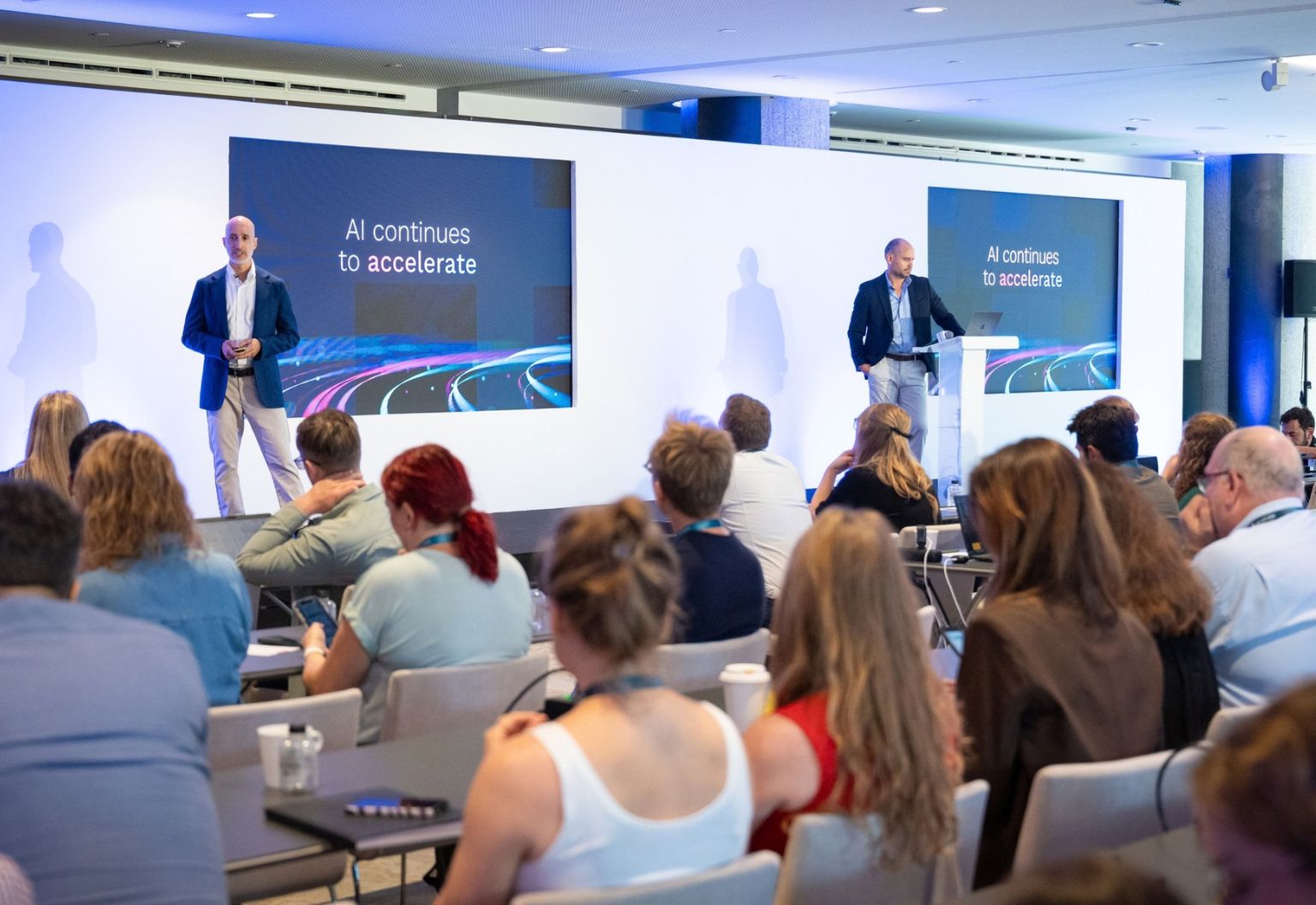
Many of the developments will come together with the release of Avature 11. One of the more striking previews was AI Solutions Builder, where users could increasingly describe what they need in natural language and have AI create the appropriate experience, from reports and pages to code and even working applications.
Avature also previewed Next Generation Agents and the move from individual AI tasks toward missions, where agents can coordinate several capabilities across different channels and solutions around a broader goal, pause for human approval where needed and continue as circumstances change. With Agentic Channels, users will soon be able to interact with agents and coordinate Avature capabilities through familiar enterprise channels such as Microsoft Teams and Slack without the need to access the platform directly.
Which brings us back to the question that opened this article: if HR were being built again from a blank sheet of paper, how much of it would look the same?
With Avature 11, we may be about to find out.
Celebrating Customer Achievements With The Avature Awards
One of the hallmarks of the Avature platform is that its configurability allows clients to create use cases to fit their needs rather than be tied to a vendor’s image of HR. As a result, we are often surprised and delighted by the creative solutions our customers display in tackling their real-world challenges.
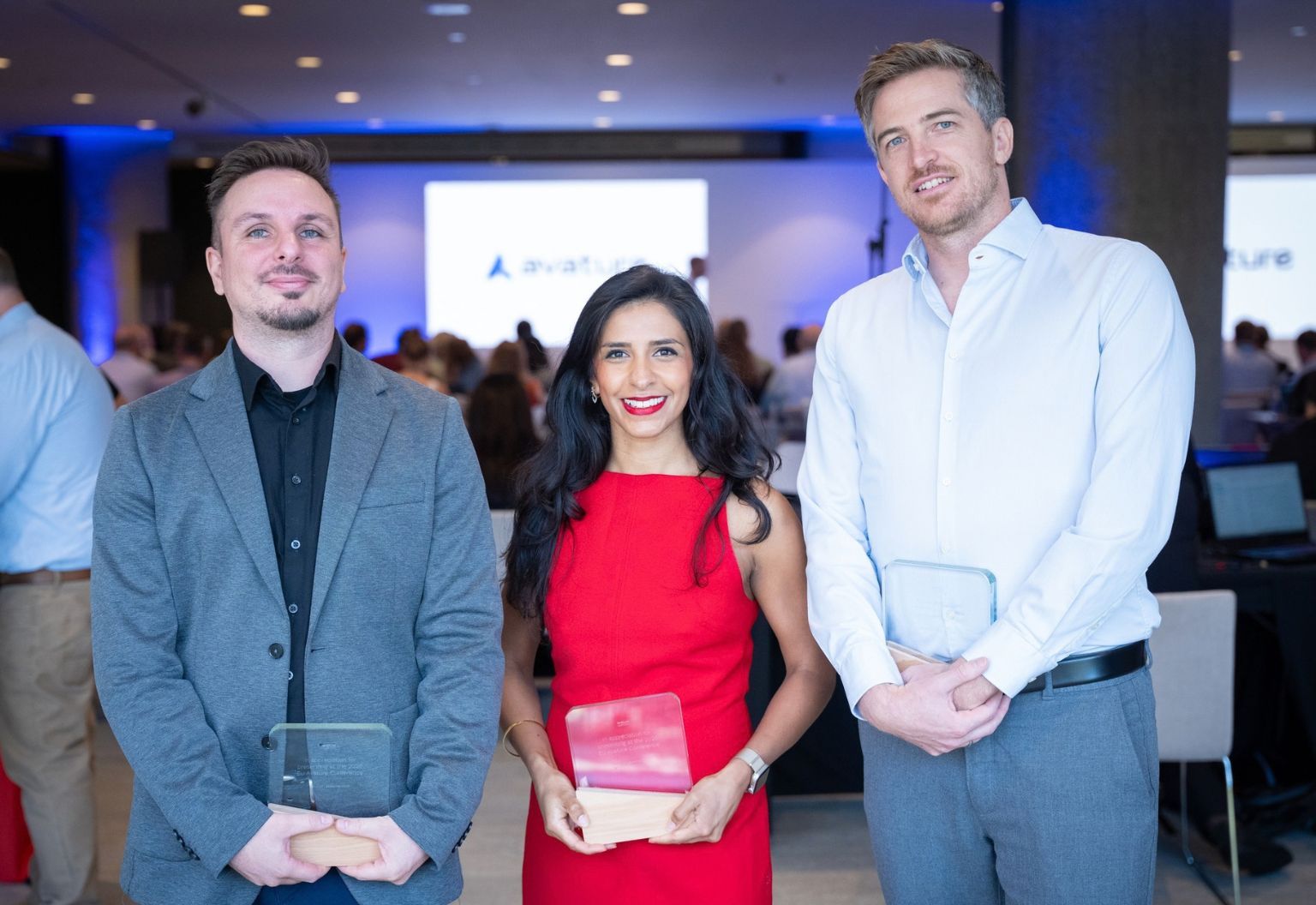
The Avature Awards therefore provide an opportunity for everyone to recognize the impressive work undertaken by members of the Avature community in both its creativity and business impact.
Chosen and presented by a panel of judges made up of representatives from last year’s finalists, Deloitte CE, DB and DHL, this year’s awards saw worthy winners across the three categories.
The Most Innovative Use of Avature
Robert Walters: Building a Global Talent Community
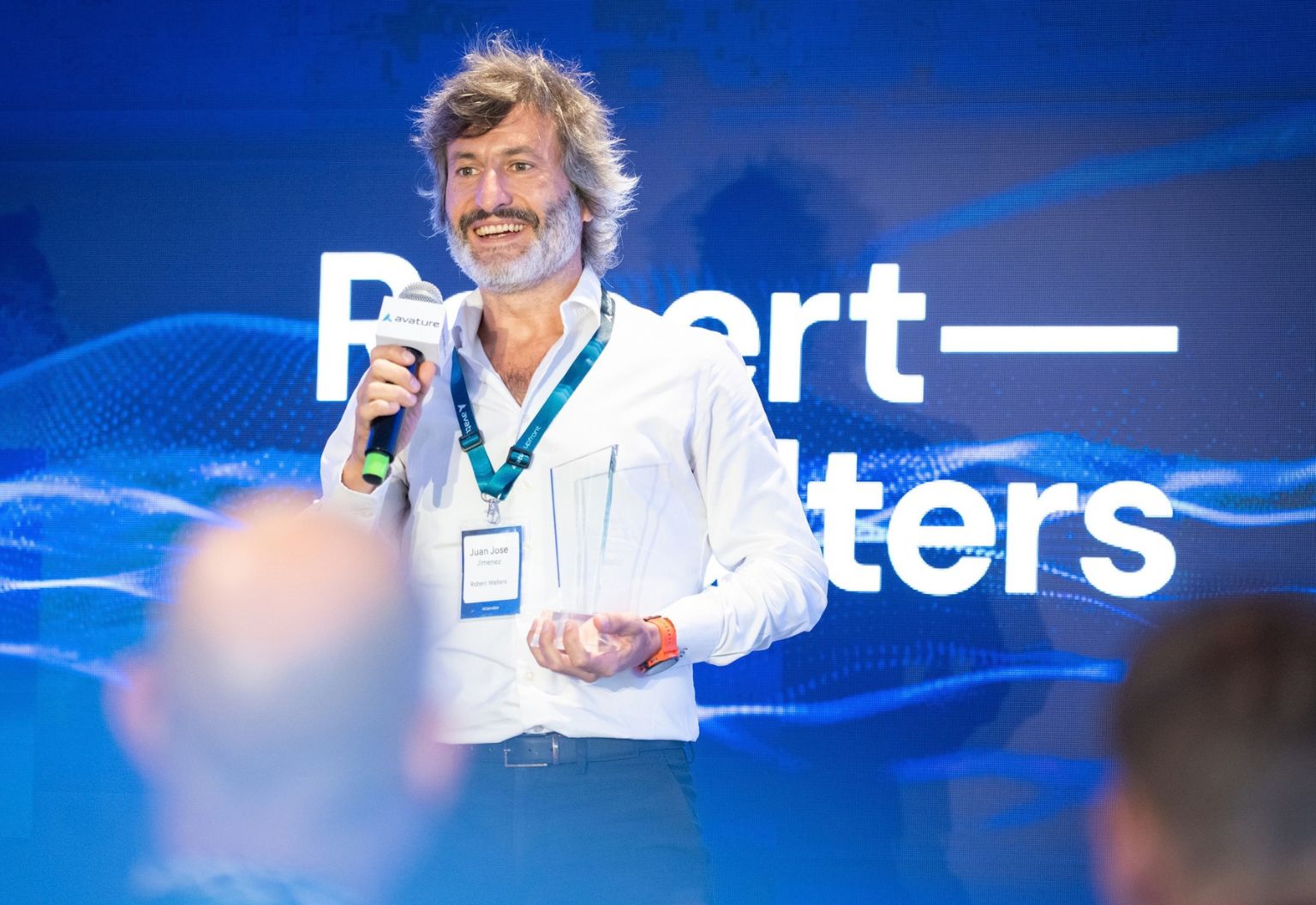
Robert Walters was recognized for transforming a fragmented network of more than 150 Talent Pools in EMEA alone into a standardized, automated global Talent Community model. Using Avature workflows, self-service portals, dashboards and matching capabilities, the organization migrated 13,000 legacy candidates, increased Talent Pool utilization by 46 percent and contributed to 18 offers and nine starts within approximately five months of launch.
The Best Use Case of AI and Automation
Virgin Media O2: Using AI to Improve Video Interview Screening
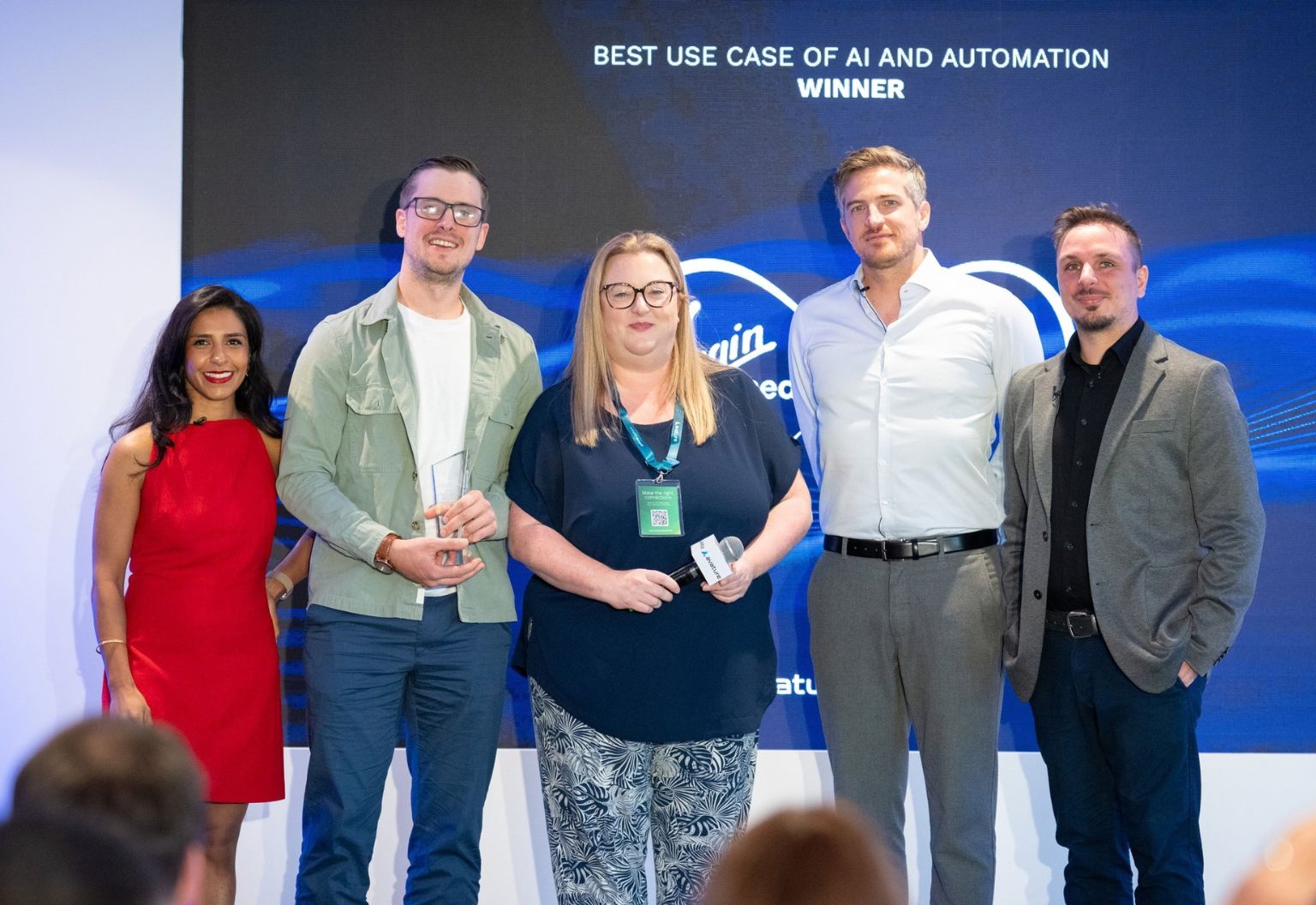
Virgin Media O2 transformed its on-demand video interview process through an AI-powered workflow that automatically transcribes and summarizes candidate interviews and generates assessment recommendations, while keeping recruiters in control of hiring decisions. Deployed across its retail recruitment process, the solution reduced interview review time by 80 percent—from approximately 14.5 hours to under three hours per vacancy.
The Biggest Business Impact
Sopra Steria: Transforming Pre-Employment Checks
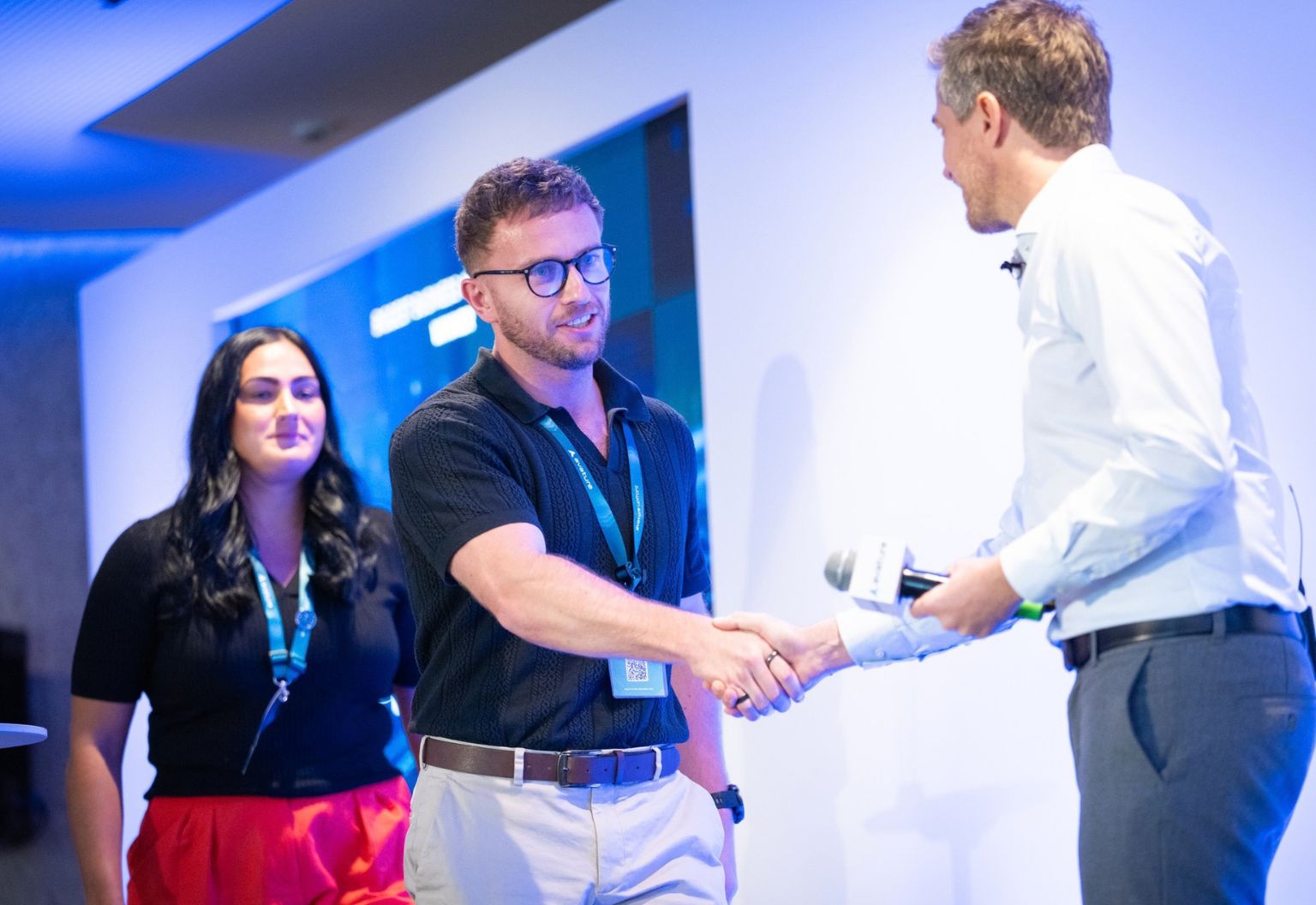
As detailed earlier in the blog, Sopra Steria UK transformed a fragmented, manual vetting process into a scalable and auditable workflow in Avature by automating checks, references, communications and appeals.
Reflecting on their success, David Parsons FCIPD, Chief Operating Officer of Transformative Business Services at Sopra Steria said: “Bringing innovation and transformation to our clients’ challenges is core to everything we do, and I’m delighted that we’ve been recognised for this work in partnership with the Ministry of Justice. It’s vital to get the vetting process right in recruitment, for our clients and society and this award recognises how superb our teams are in improving user experience as well as time to hire.”
With the awards collected and over 35 hours of presentations enjoyed by HR specialists from across the Avature community, it was time to close the chapter on another enjoyable edition of Upfront and to leave the attendees to enjoy the Catalan sunshine and reflect on all that’s been learned until we meet again next year.

Are you an Avature customer with a story to share? Speak to our team to discuss becoming a presenter at Avature Upfront 2027.