A recruiter opens their dashboard to find that an AI agent has flagged a vacancy needing attention and recommends revisiting silver medalists. Using natural language, the recruiter asks the agent to develop a sourcing strategy, which they then review and refine before authorizing outreach. The agent then puts the approved strategy into action, linking matching candidates to the sourcing project and sending personalized invitations to apply.
As AI agents begin taking on real work across HR, scenarios like this are moving closer to everyday practice—and raising a new design question for HR leaders: Which work should people keep, what should they delegate to agents, and how should the underlying systems connect the two?
In his opening keynote, Dimitri Boylan, Founder & CEO of Avature, predicted a widespread shift within the next few years to what he calls a hybrid operating model, in which people, AI agents and systems each take on distinct work: People provide judgment, empathy and accountability. Agents handle repeatable tasks, spot patterns and catch exceptions. Systems manage the data, controls and orchestration that hold it all together.
How to navigate this shift and create a sustainable competitive advantage was a central theme of Avature Upfront US 2026, where over 250 HR leaders and Avature experts came together for four days in Scottsdale, Arizona, to explore what this transformation means in practice.
The Conversations That Dominated the Event
- The shift to a hybrid operating model–combining people, systems, and AI agents– calls for a broader approach to HR. Starting with business outcomes helps organizations to design a more effective and cross-functional response.
- Customers show how greater automation can strengthen human involvement. Deliberate process design can give employees more ownership, help recruiters focus on meaningful conversations and keep managers engaged in development.
- Well-designed governance can be an accelerator rather than a constraint. Customer presentations showed how embedding safeguards into everyday processes enables teams to act with greater speed and autonomy while preserving accountability.
- Avature 11 marks the biggest increase in platform power in the history of Avature. AI-assisted configuration and conversational building are changing how HR solutions get built, allowing changes to be made during runtime, narrowing the gap between idea and execution and shrinking implementation time from years to months.
Expanding the Scope of Talent Transformation With a Holistic Approach to HR
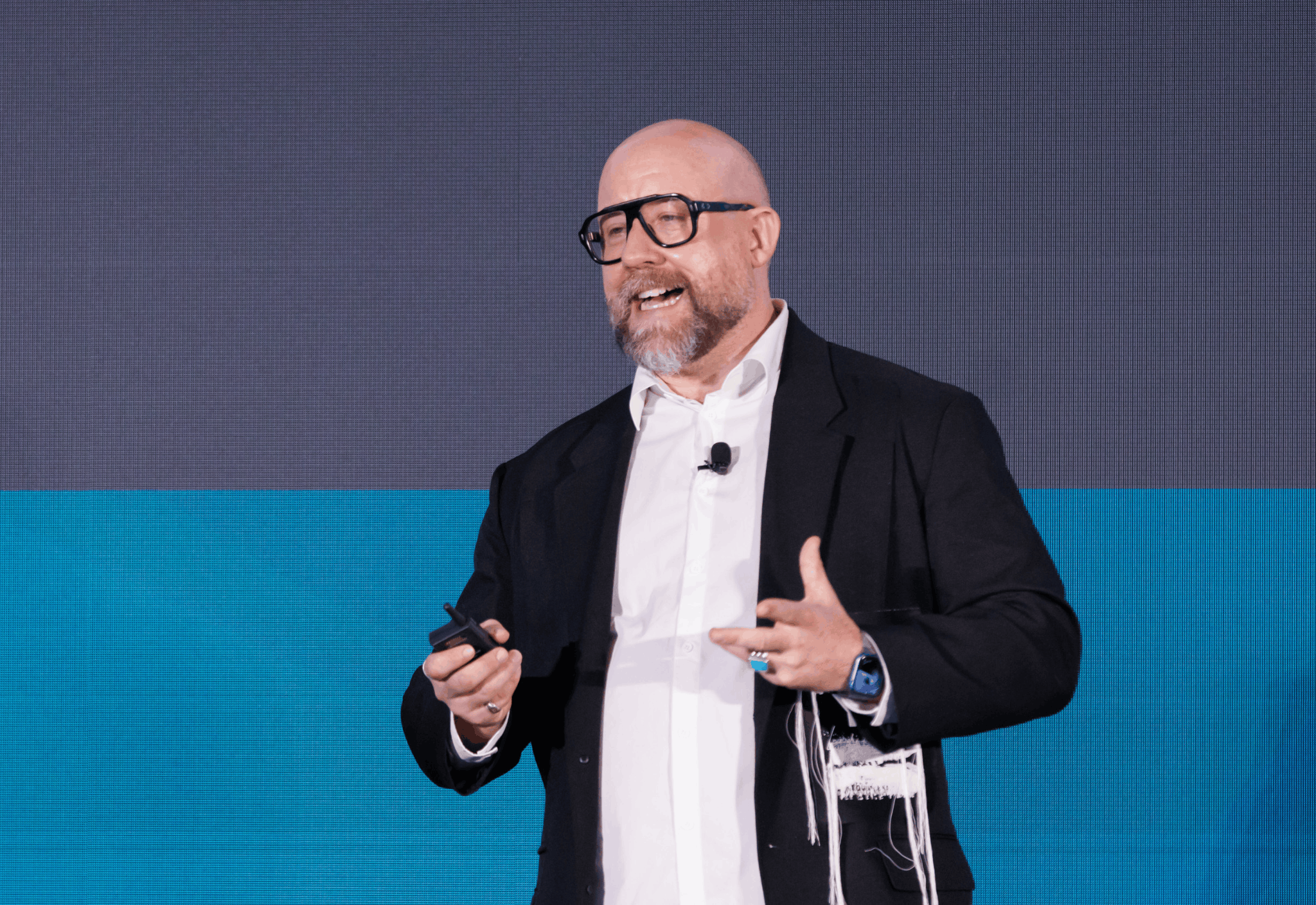
Boylan opened the conference by outlining some of the key steps to successfully navigating the transition to a hybrid operating model. The first is shifting the perspective from which you design so HR can be more strategic. Instead of treating workforce planning, talent management and talent acquisition as separate disciplines, Boylan recommended taking a more holistic approach.
For example, meeting a team’s need for additional capacity could involve hiring externally, moving an employee internally, reallocating work based on existing skills or assigning suitable tasks to AI agents. Starting with the business outcome allows HR to consider those options together and determine the most effective response.
We think that you can start with the outcome you want. Then ask what must be done and what is the best way to do it, and then build the solutions that work together for that outcome.”
Dimitri Boylan
Founder & CEO of Avature
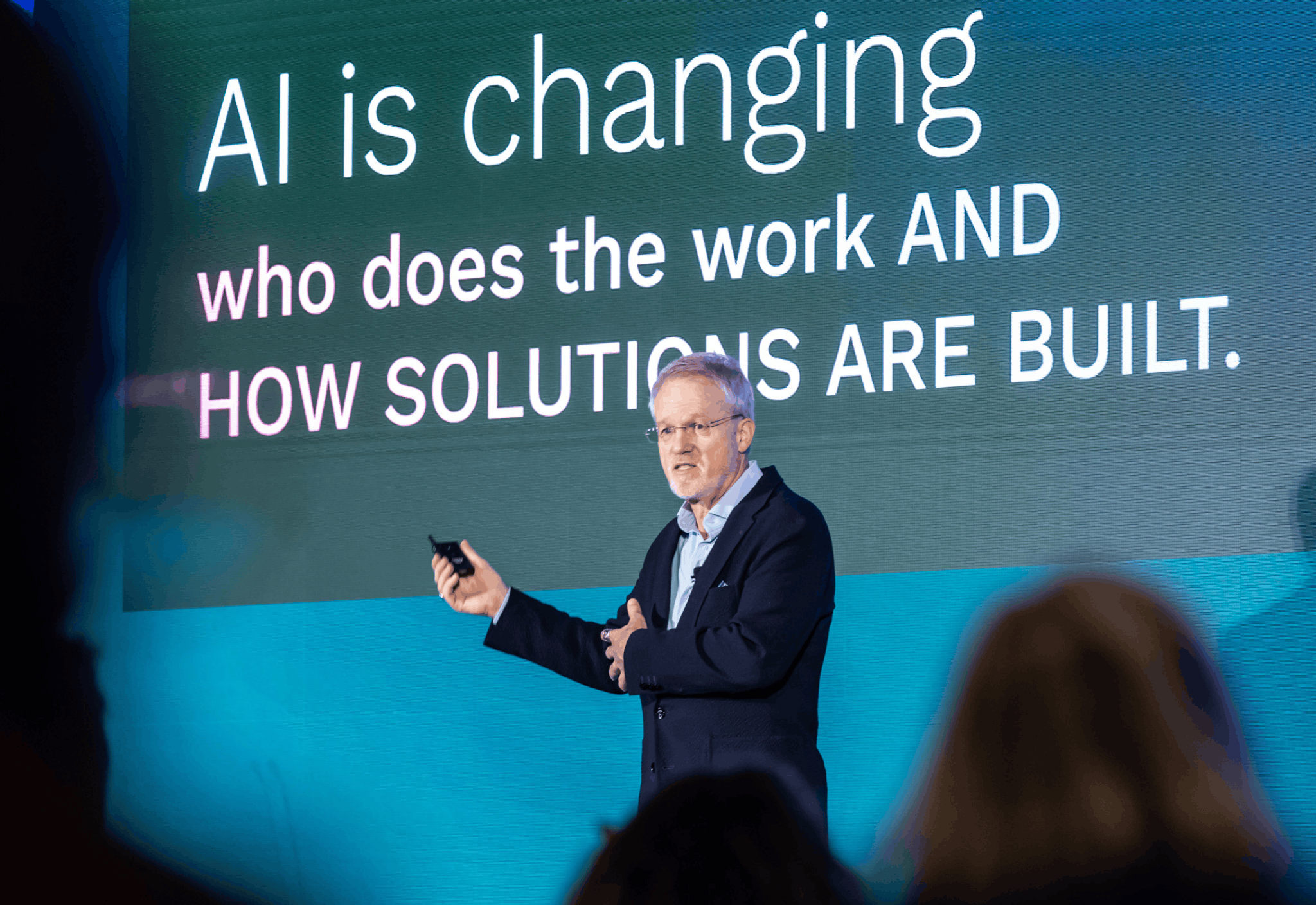
The second key to achieving an HR-based competitive advantage is having powerful AI assistance at your fingertips. The upcoming release of Avature 11, the most powerful update in the platform’s history, has been designed with this in mind, Boylan announced.
Boylan also shared that Avature’s workforce planning solution is expanding to support organizational design that includes agents, facilitating a systematic rebalancing of work between humans and AI.
Our commitment is to deliver an adaptable platform that allows you to continue to combine people, agents, workflows and experiences.”
Dimitri Boylan
Founder & CEO of Avature
What Does It Take To Make TA Transformation Work?
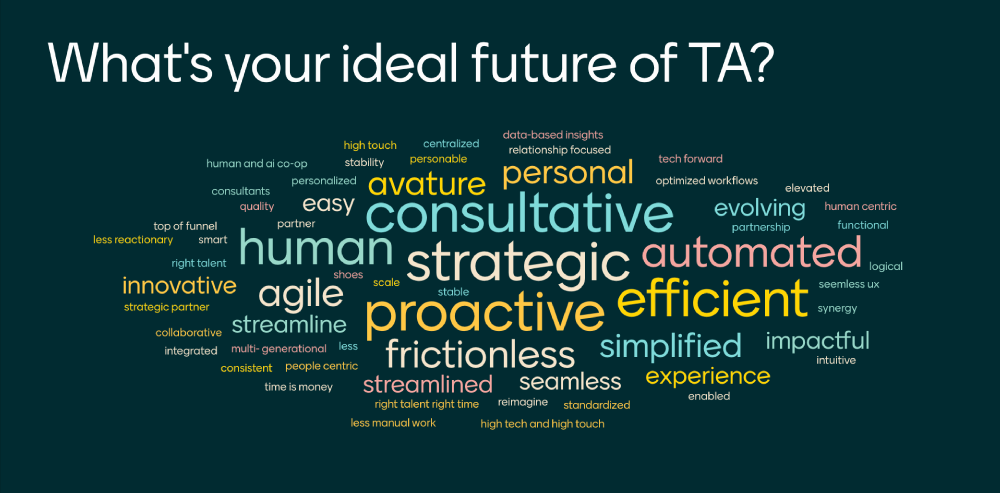
To get started, Kara Schwartz, Head of Global Talent Acquisition, Wayfair recommended mapping out your whole process from top to bottom, looking at it from every end user’s experience and asking what you should intentionally keep human.
As we went down the journey and said here are the human moments that we want to make sure that we’re protecting for both the candidate, the hiring manager and the recruiter through the experience, it really led us to better outcomes and being incredibly thoughtful about where we chose to go first.”
Kara Schwartz
Head of Global Talent Acquisition, Wayfair
Melissa Mason, HR Tech Lead, IBM, built on this idea of process mapping, sharing IBM’s mantra of eliminate, simplify, automate. “That is going to go a long way to implementing any AI or automation wherever you can.”
Maria Szychlinski, Recruiting and Onboarding Lead, Epic, advised adapting quickly, sharing that Epic recently went live with several agentic AI tools after only a three-week pilot.
Just turn it on. We don’t need to drag it out. And if it’s not working, just change it quickly.”
Maria Szychlinski
Recruiting and Onboarding Lead, Epic
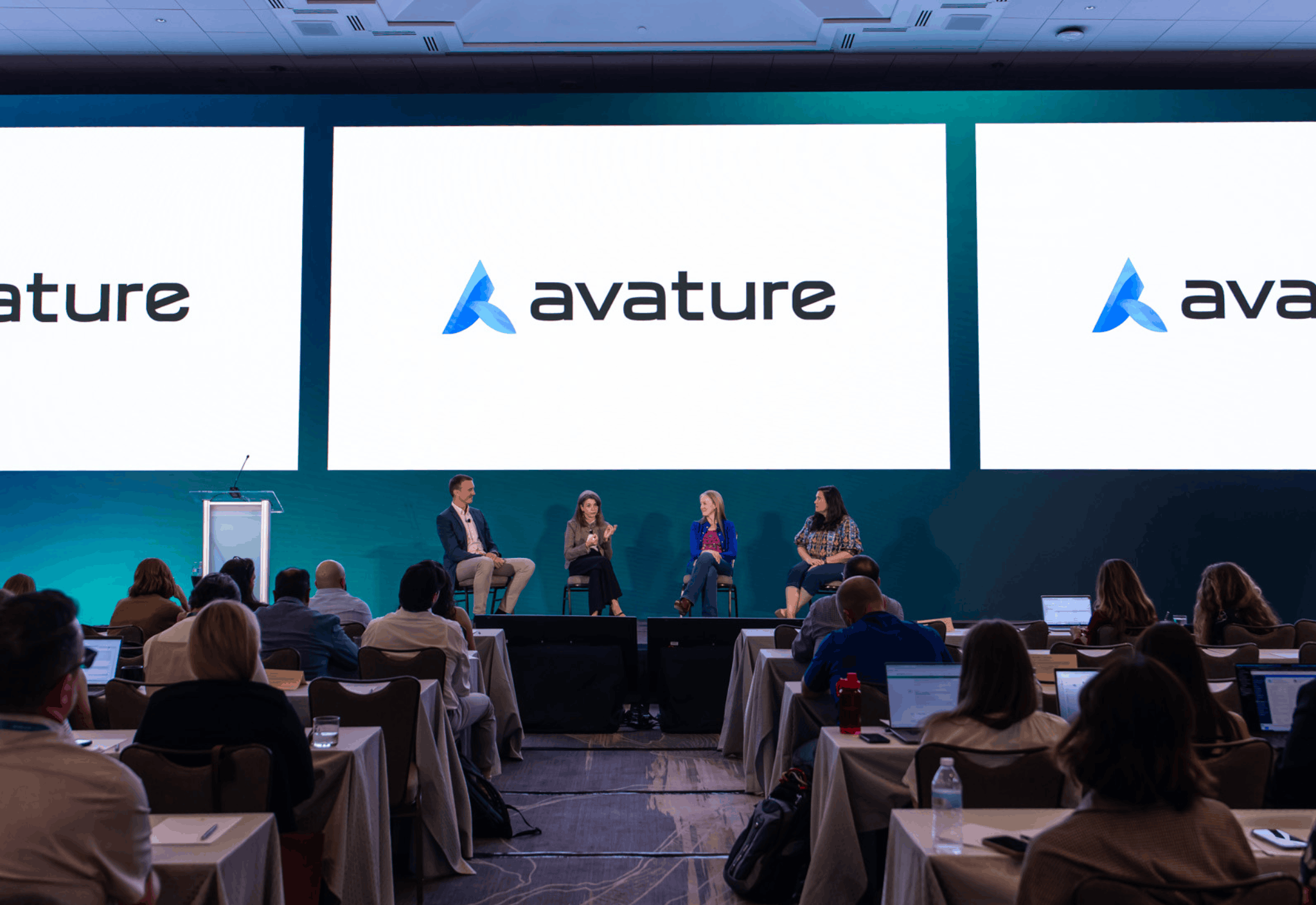
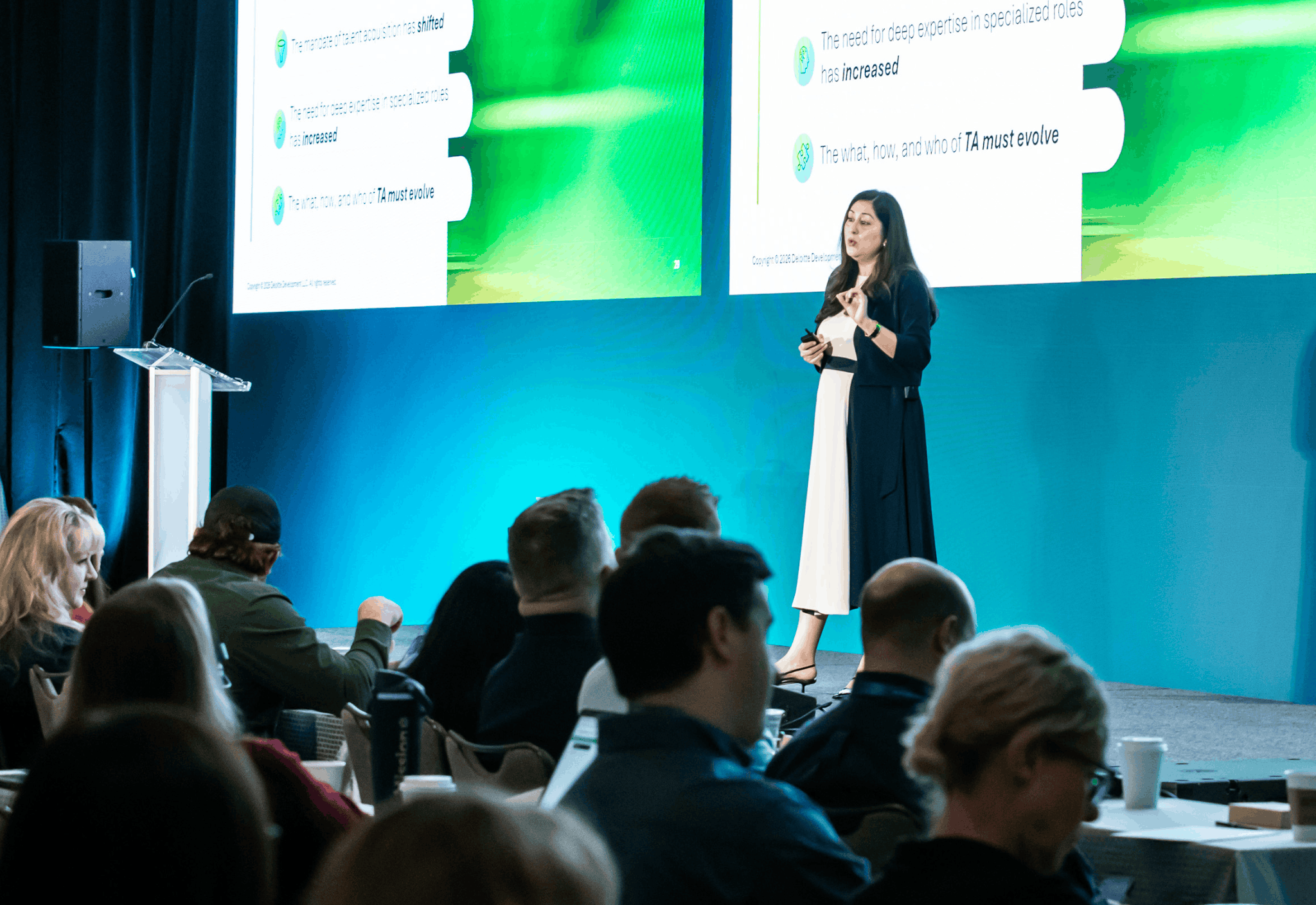
As teams decide what to simplify, automate and keep human, another question emerges: how will they use the capacity they create? Bhawna Bist, Managing Director, HR Strategy & Transformation at Deloitte Consulting LLP, challenged attendees to consider exactly that.
If an agent took the routine work tomorrow, what would your team do with the time?”
Bhawna Bist
Managing Director, HR Strategy & Transformation, Deloitte Consulting LLP
As Bist noted, AI is flipping the traditional distribution of work effort on its head by taking on time-consuming execution and service delivery work, and labor-market trends are already reflecting the changing demand for TA capabilities.
According to Deloitte’s proprietary Labour Market Intelligence™, postings for net new talent acquisition roles have fallen by almost 6 percent, with postings for sourcers and recruiting coordinators down by 25 percent. Meanwhile, postings containing strategic terms have risen by 10 percent.
To help AI-amplified teams prepare for this new distribution of work, she encouraged talent leaders to consider the following questions:
- What do the business and TA’s customers expect from the function?
- How can work be reshaped versus just lifted and shifted into a tool?
- What work should humans do and which tasks should AI agents perform?
- What should be built or bought to support these new processes?
For teams considering where to begin their own transformation, global audio and automotive technology leader HARMAN offered an encouraging lesson: you don’t need to have everything figured out to get started.
Tonisha Kilgore, Senior Specialist, TA Operations, and Victoria Gutierrez, Global TA Experience Lead, shared that although they were keen to make skills-based hiring a reality, they had initially assumed they needed their own skills taxonomy and a more developed strategy before moving forward.
However, introducing Avature AI Skills Matching gave HARMAN a starting point—and a reason to examine its skills data more closely. A dashboard comparing skills on job records with those recorded for successful hires revealed just 19 percent exact overlap. This wasn’t a measure of hire quality, but a prompt to investigate whether job descriptions reflected actual needs or sourcing efforts needed adjusting.

This close examination of its skill data also prompted HARMAN to improve its accuracy by asking recruiters to to tag skills they had personally confirmed through candidate conversations, adding human validation to support AI-powered matching.
We didn’t automate our way to trustworthy data. We asked our recruiters to do one small thing, consistently—and the technology got better because they did.”
Tonisha Kilgore
Senior Specialist, TA Operations, HARMAN
For Gutierrez, the experience challenged the team’s assumptions about readiness. Starting small and building on the evidence they did have was what gave them the foundation to build and refine their wider skills strategy.

Taking that first step creates momentum, but how can you sustain it? Drawing on over twenty years’ experience in Talent Acquisition operations and transformation, Rob Devlin, consulting as Global TA Transformation & Technology Leader at electronic design automation giant Synopsys, shared a practical framework for diagnosing why transformation efforts falter and getting them back on course. His three lenses—Alignment, Alliance and Adoption—each pose a fundamental question to address before designing technical solutions:
Alignment: Are we solving the right problem, for the right people, in a way that supports what the business actually needs?
Alliance: Do we have the right people around that problem — internally and with our technology partners — and are we actually working towards the same outcome?
Adoption: Have we designed something people will genuinely use, not just something we can technically launch?
Scaling Engagement While Keeping People at the Center
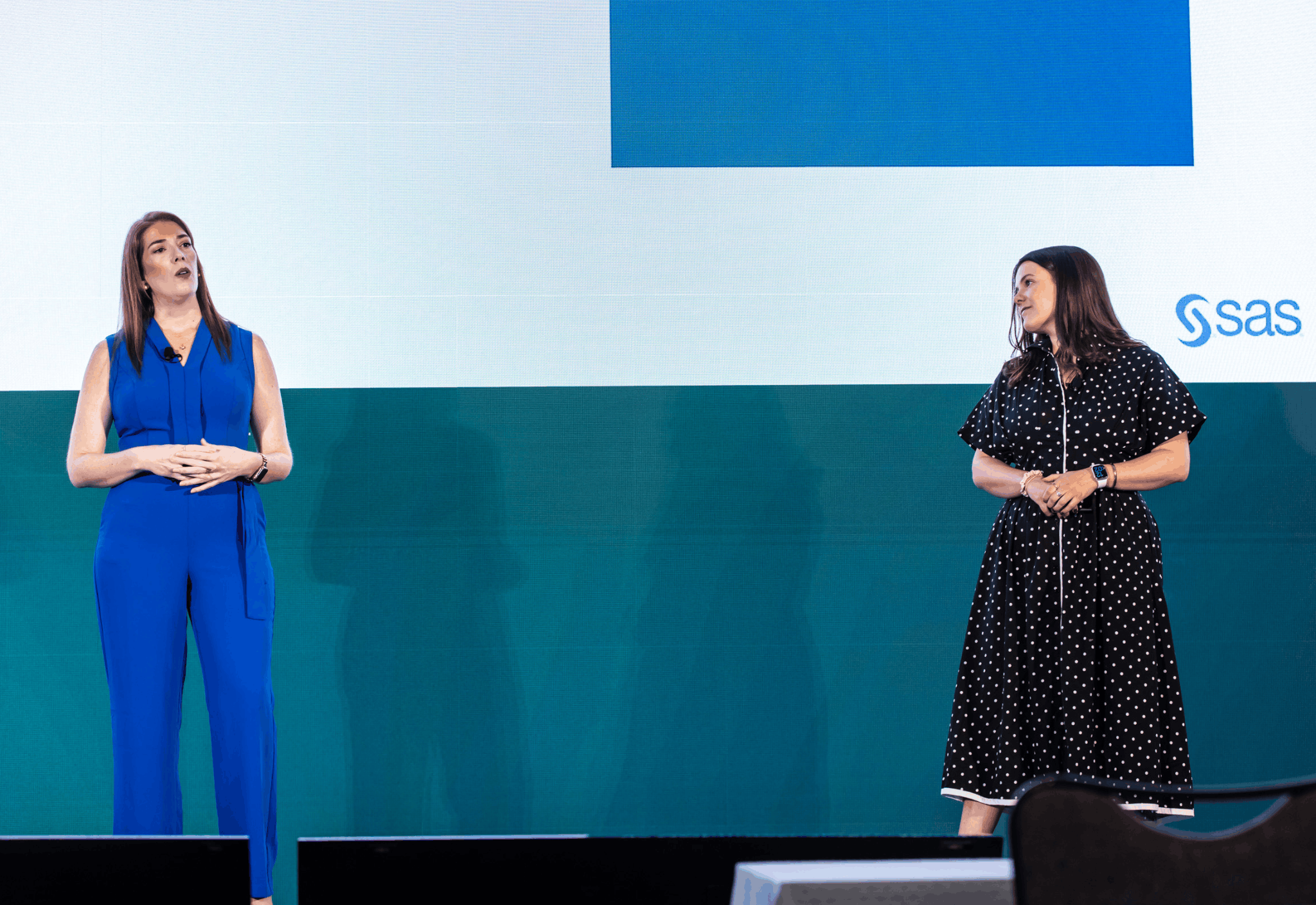
As automation increases, will the human role diminish? In a mentorship redesign that increased participation by 170 percent, SAS proved there doesn’t need to be a trade-off. In fact, scaling technology’s role can give people greater ownership of their development—provided you deliberately design who does what.
While the global AI and analytics company had several valuable mentorship programs, the way they were delivered was not scalable. Access opened in cycles, administrators selected matches manually and capacity depended on their bandwidth. To make mentorship easier to access, globally and on demand, SAS partnered with Avature to build a mentorship portal that was designed with a clear distribution of responsibilities:
- The system supports participation: Automated matching suggests relevant mentors, manages availability and eligibility and prompts employees when action is needed.
- Employees own the relationship: They choose whom to approach, meet to assess fit and decide whether to proceed.
- Program managers provide oversight: They identify stalled progress and offer targeted support without accessing private mentoring conversations.
Technology made mentorship scalable. Design made it usable.”
Heather Johnson
Senior HR Information Systems Analyst, SAS Institute
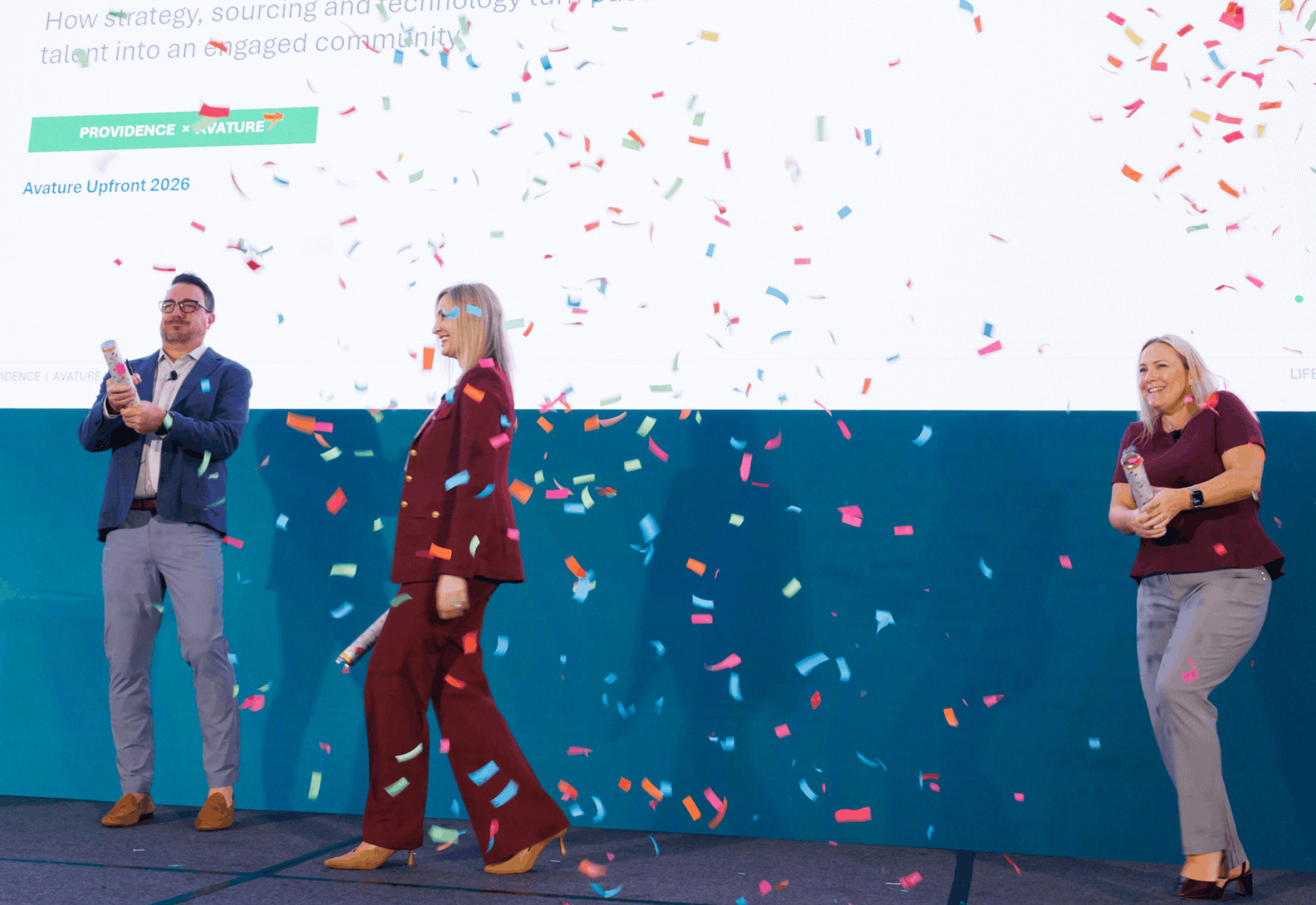
Designing around people also means knowing when technology should support an interaction and when a person should take the lead. Providence, one of the largest health systems in the United States, explored that balance through its approach to building engaged talent communities.
Providence shared how they combined segmented talent pools, and targeted email and SMS campaigns with clear moments for personal outreach. Scheduled communications keep people connected, while engagement signals help teams identify who may be ready for a conversation. When an engaged candidate aligns with a relevant opportunity, a talent sourcer steps in.
Providence’s campaign to reconnect with former caregivers illustrated the value of this approach with targeted SMS outreach to approximately 28,000 former employees generating 2,193 applications and 206 hires. By building on existing relationships and using response signals to guide follow-up, the team demonstrated how technology can support relevant engagement at scale, with people applying judgment where it counts.
Flexibility: The Backbone of Intelligent System Design
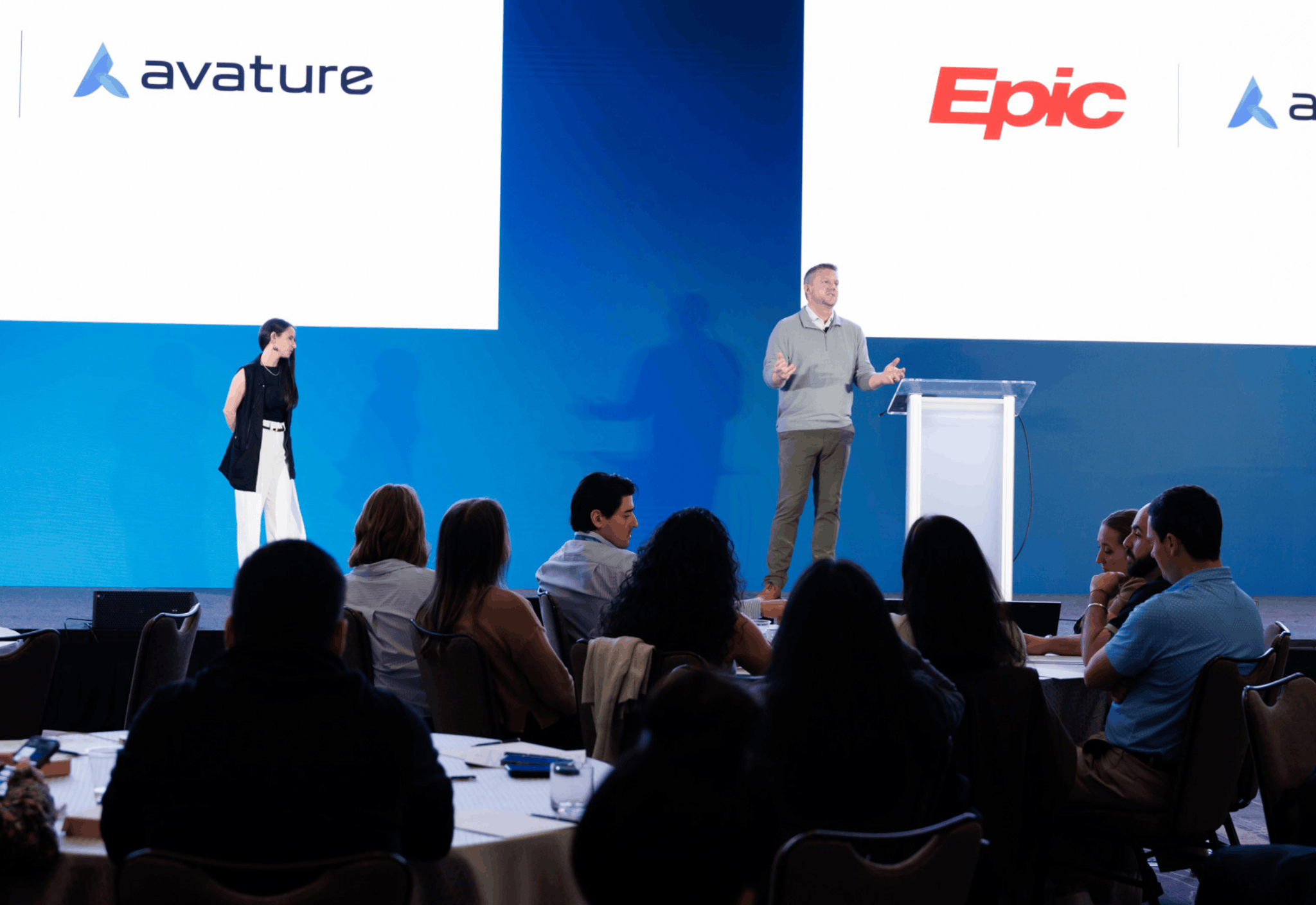
As technology evolves and business needs change, talent teams need the freedom to adapt their processes and experiences without lengthy change cycles. Jeff Sonntag, Recruiting Manager at electronic health record software company Epic, explained how the company is using Avature’s Portal Apps Builder to support that agility. By leveraging reusable components that make future changes easier to manage, Epic has created several tailored portals connected directly to Avature, quickly and with no coding skills.
To support its early talent operation, which spans about 650 career events a year, Epic built a gamified portal to give its partners visibility into event activity and introduce friendly competition to encourage engagement. Epic reported an 11 percent increase in people linked to each event, while the campus recruiting lead gained the ability to follow up in real time and use the information to inform hiring and budget decisions.
Workers’ compensation care coordination leader One Call offered another powerful example of how an adaptable system can reduce administrative work while improving the user experience. One Call tailored goal setting and performance evaluation to different employee groups, recognizing that its Operations team needed a tailored approach suited to high-volume, continuous and measurable work. Because performance expectations were already defined through daily operations, asking employees to enter those goals again added unnecessary effort.
Using Avature, One Call removed that duplicate entry and introduced monthly evaluations in which managers assess performance, discuss it with employees and document development needs and the support they will provide. Automated reminders help keep the process on track, while the annual performance score is calculated from the monthly evaluations. This reduces year-end administration and keeps human judgment and ongoing conversations central to the experience.
Their flexible approach to performance management has paid off with completion rates increasing by 31 percent and approximately one to two hours saved annually per direct report for managers. What’s more, now that performance conversations are documented in one place, it’s easier to identify trends and take data-driven decisions that affect coaching and staffing.
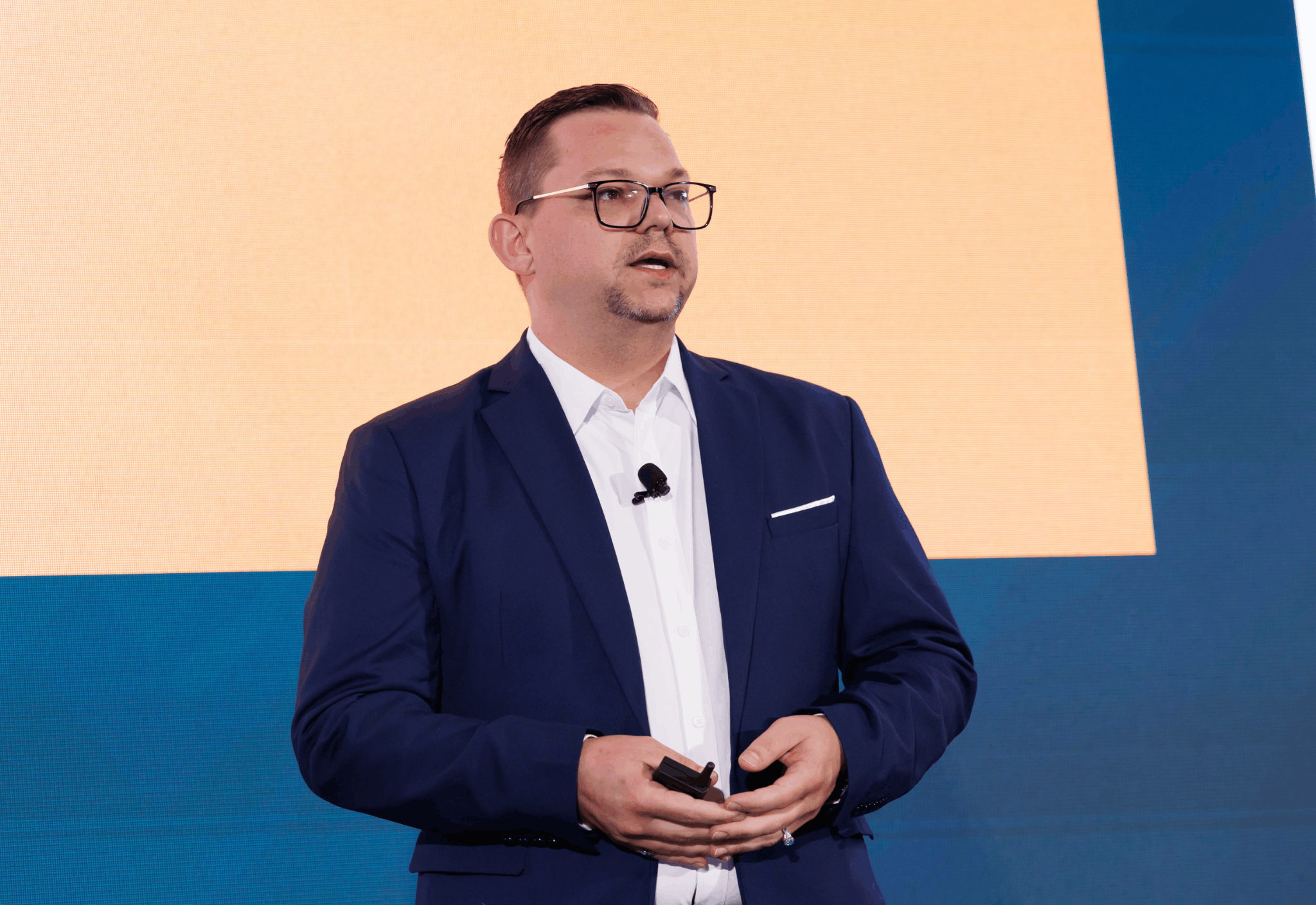
For banking and payments technology specialist Jack Henry, the ability to accommodate different needs supported a drive for greater consistency. Technical Product Managers Eric White and Stephanie Smith shared how the company redesigned its recruiting workflows to address an interview process that could vary from candidate to candidate, with rounds added or skipped without a clear rationale.
The team moved interview planning to the job level, expanding its intake form so managers select a standardized interview track and define the number, type and delivery method of interviews before the job goes live. The workflow then supports that agreed structure across candidates, setting clearer expectations for everyone involved. Dedicated processes for contact-center and internal hiring accommodate different requirements within the wider framework.
Recruiters, business leaders, People and Culture teams, managers and Legal contributed from the outset. Their involvement helped translate shared expectations into a process designed to be both consistent and flexible. For organizations expanding technology’s role, the lesson is a foundational one: agree how work should happen, then build those rules into the systems that guide it.
Why the Importance of Governance Grows as Automation Increases
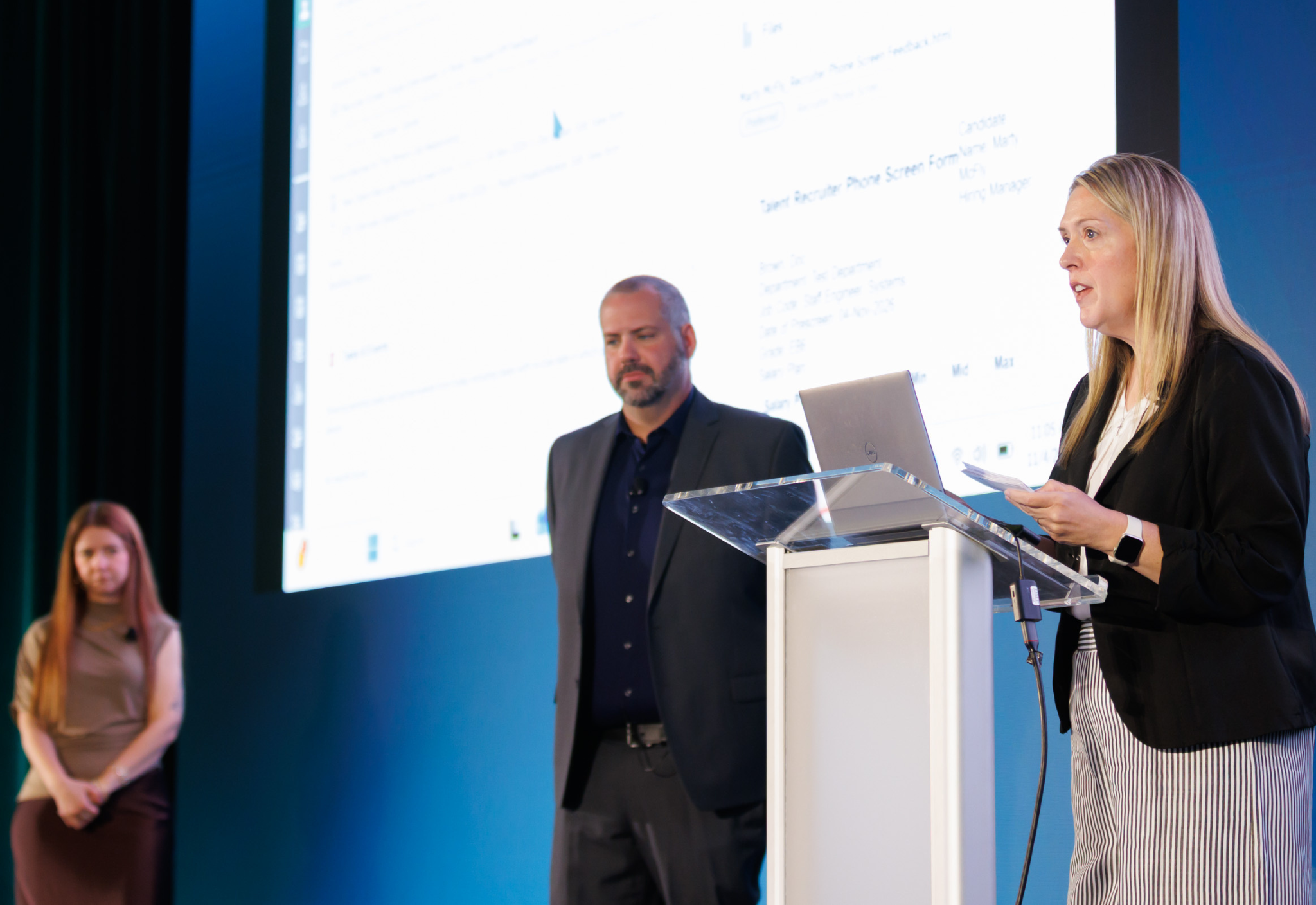
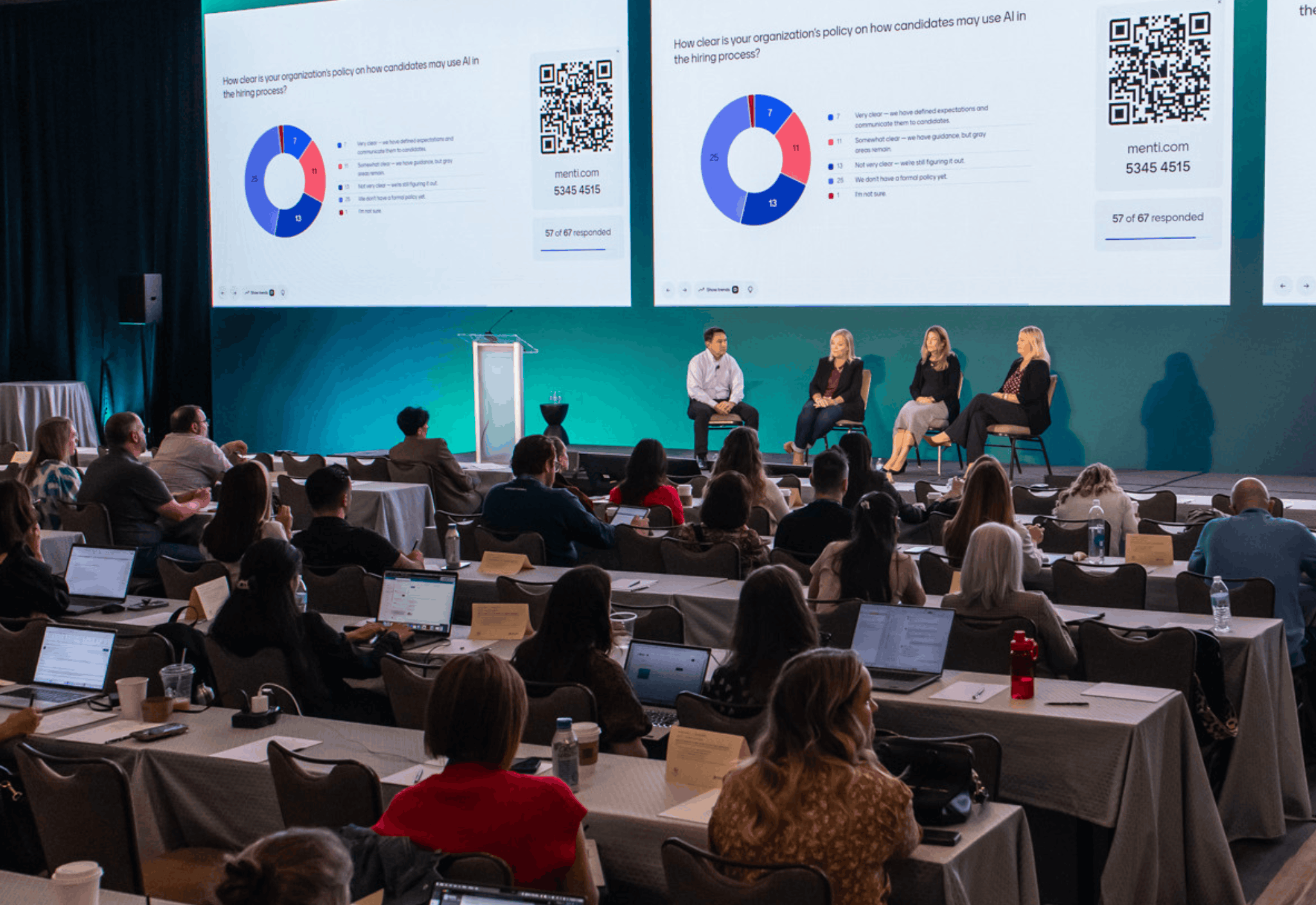
As AI is embedded deeper into talent processes, strong governance is essential. Faced with a quickly evolving patchwork of global AI regulations, many HR leaders are asking what they need to know to remain compliant, with audience polling citing governance and compliance as one of their biggest obstacles to progress.
Drawing on more than a decade’s experience, AI and employment law specialist Jennifer Stanley shared key principles to help organizations adopt AI responsibly and with greater confidence. One of her key pieces of advice was to ensure you always have a human in the loop any time you make a decision and to document that process.
You’ve just got to make sure that the human in the loop is not the proverbial rubber stamp. It really has got to be truly evidence-based decision-making by you all or your team. Always make sure you’ve got that and you’ve got that in a way that is documented and that will show up if there’s some kind of an auditory investigation of your business.”
Jennifer Stanley
Partner, Intellectual Property, Copyright and Licensing Groups, Fenwick
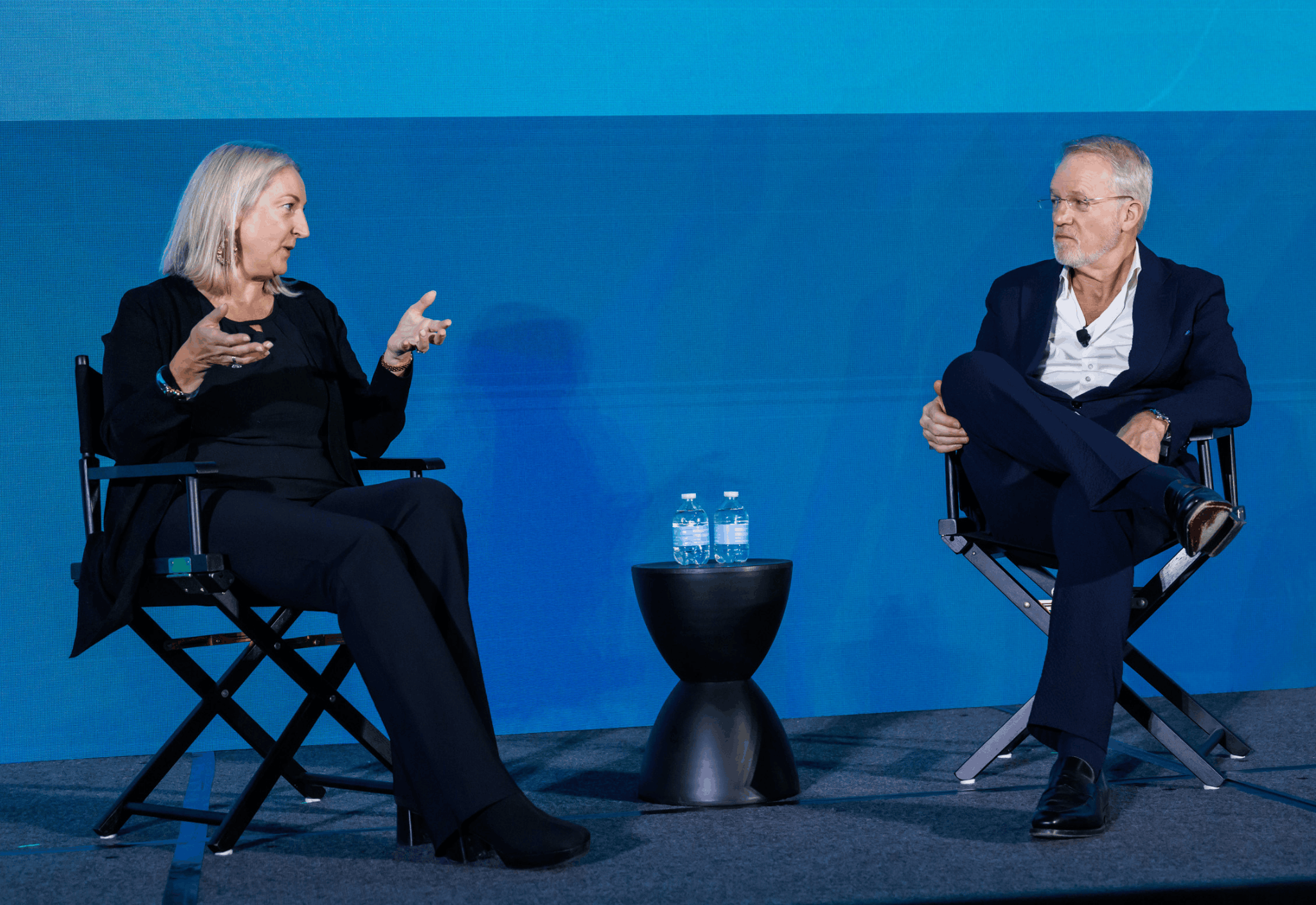
The panel discussion Hiring Under Threat: How Leaders Are Tackling Candidate Fraud brought the need for meaningful human oversight, combined with detection technology, into sharp focus.
Nicole Boucher, Vice President of Talent Acquisition at MetLife, explained how automated checks support human investigation. Applicant information flows from Avature to the company’s insider risk team for screening, with risk indicators returned to flag applications and pause their progress for review. Alongside these technical safeguards, training helps recruiters and interviewers recognize warning signs and escalate concerns. Her recommendation: “Become partners with your cyber teams, understand what they’re seeing, use their expertise.”
At Transcom, Karen Beaman, Vice President of Global Talent Acquisition, described how TA and IT combine Avature activity reports with IP checks from their assessment provider to identify suspicious behavior. Human checks extend beyond the interview: when concerns arise during initial training, teams can compare the employee’s voice with recordings from their language assessment. Beaman also recommended evaluating demonstrated skills by “relying more on ‘show me’ rather than ‘tell me’.”
Rachel Raymond, Senior Director, Talent Operations and People Technology at Jack Henry, highlighted the importance of clear expectations and ongoing education. Its acceptable use policy covers both candidates and interviewers; where AI is permitted in assessments, candidates receive guidance up front and must show their work and explain the solution. Training also extends to individual contributors when they are invited to interview candidates, equipping everyone involved to spot potential fraud.
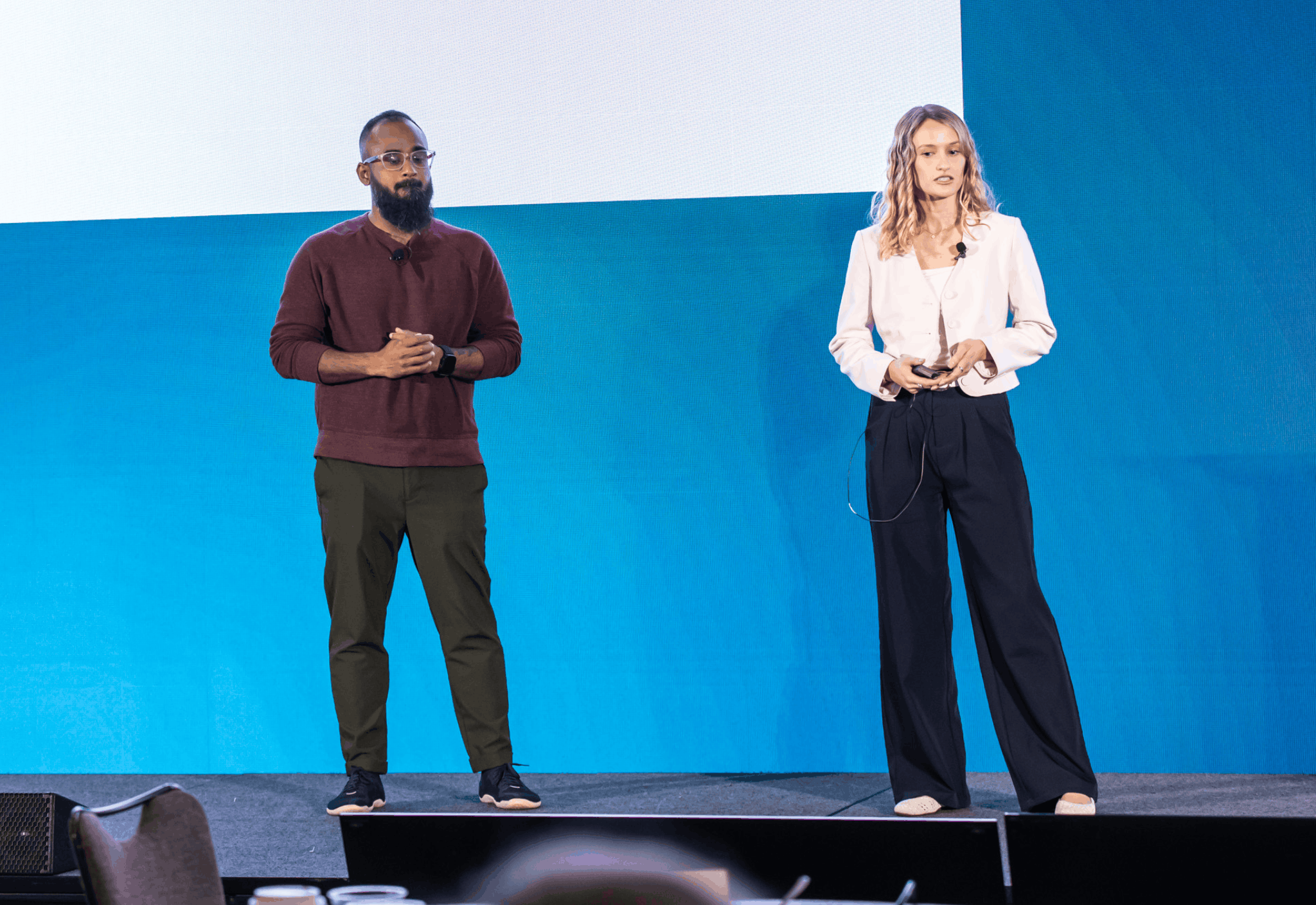
However, added layers of governance can soon become a drag on efficiency. Global business and technology consultancy Slalom revealed how it increased agility without sacrificing governance by creating a self-service toolkit that allowed their processes to scale.
Its approach centered on building safeguards directly into the tools people use. Starting with lower-complexity improvements, the team demonstrated value and built confidence before expanding into more complex integrations and automation.
The offer process provided an early proof point. Slalom consolidated more than 300 manually maintained Word templates into 15 offer letter views across five languages, with content generated according to business rules. Legal language remained centrally locked, changes required approval and regional teams could manage only their own content. The result: generating, approving and sending an offer fell from 24–72 hours to approximately ten minutes and approximately 10,000 hours annually were returned to the business.
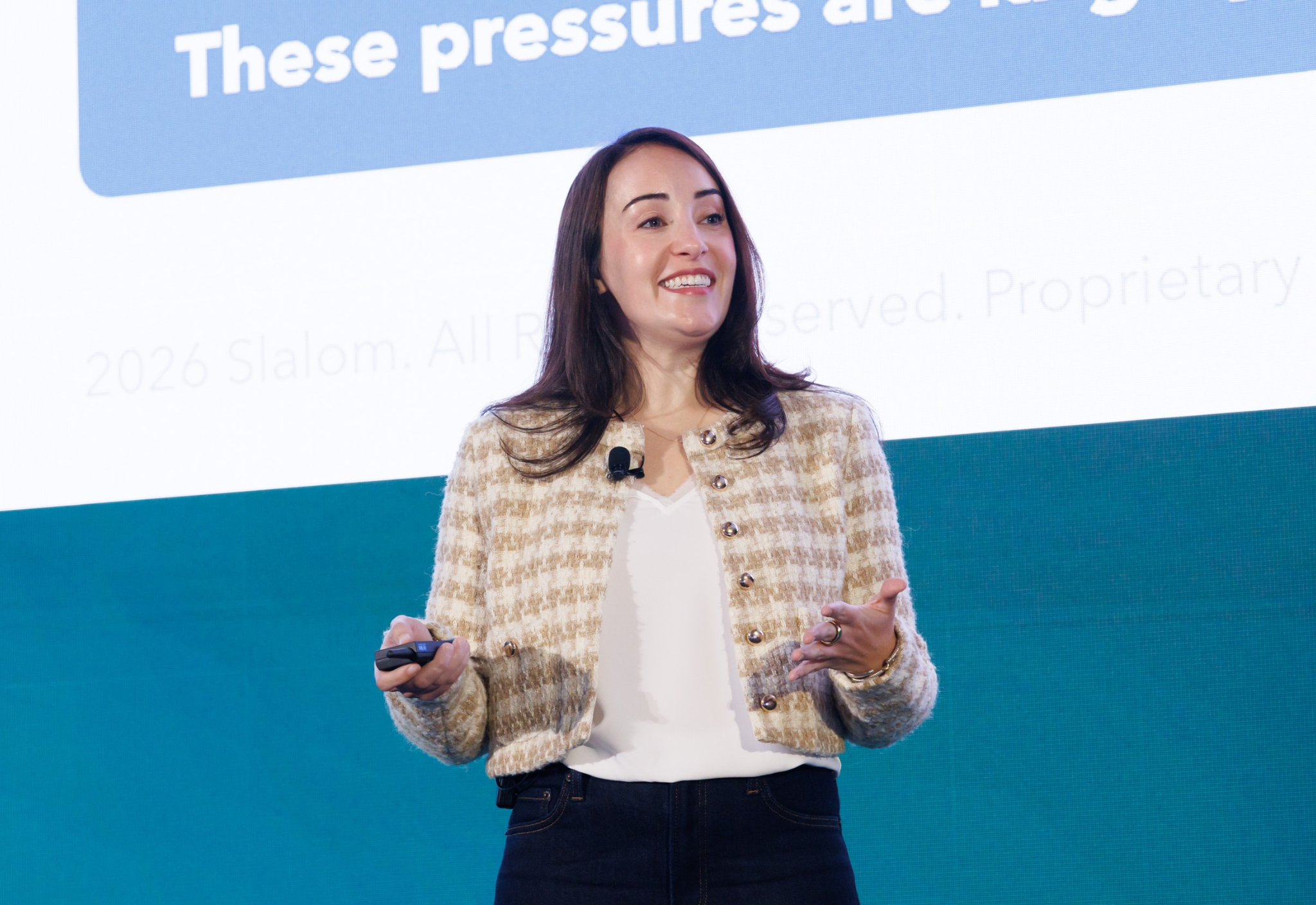
Bloomberg offered another compelling example of how to ensure compliance and governance without slowing the business down. As salary-transparency requirements expanded across countries and business units, Bloomberg’s existing salary-range model became harder to scale.
Hari Ayyar, Sr HRIS Architect, and Shayna Fielding, Talent Acquisition Operations, shared how they used Avature Custom Main Objects to make each range an independently managed record. This allowed its Compensation team to maintain the data more efficiently and provided a clear history of who changed what and when.
Automated matching kept range selection simple for recruiters, while built-in safeguards hid postings from the careers portal when a required range was missing. Notifications then prompted Compensation and recruiters to resolve the issue before reposting. This approach offered a clear example of how to strengthen oversight without pausing recruiting.
What’s New: Avature 11 and the Road Ahead
Upfront also gave attendees a first look at what’s next for the Avature platform, from newly released features to capabilities on the roadmap that address everyday HR challenges. Features like Conversational Scheduling will simplify interview coordination, while Candidate Fraud Detection will surface suspicious applications and explain why they’ve been flagged, helping recruiters determine where further investigation is needed while retaining responsibility for decisions.
Avature also revealed its plans to expand into HCM next year. Building on its vision of a connected approach to talent, Avature HCM will bring HR together on a single platform through two groups of solutions. Strategic HR covers talent acquisition, talent management and workforce planning—areas that organizations often redesign as their markets and talent needs shift. Core HR covers compensation, compliance and employee experience— the everyday foundation that evolves at a steadier pace. These two elements working closer together will strengthen how organizations attract, support and retain talent.
With pay decisions directly affecting retention, Avature is launching a Compensation Review solution as part of its expansion into Core HR. The solution will allow teams to configure each review around their own compensation plans and policies and will support salary and merit increases, bonuses, commissions, equity awards and other incentives. AI assistance will help managers and HR carry out reviews more effectively, and with compensation sitting on the same platform as talent acquisition and talent management, there’s no handoff to a separate system.
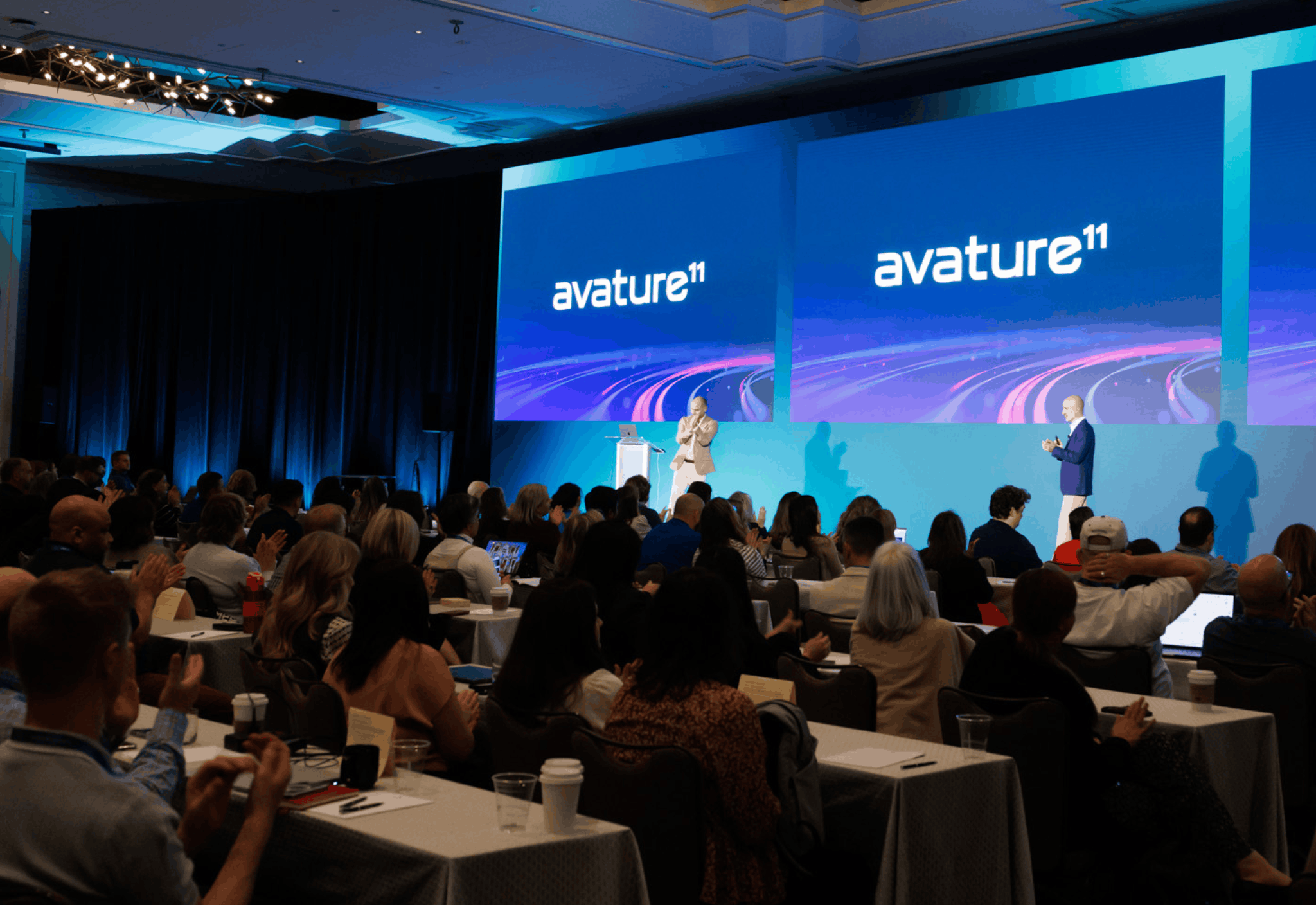
Many of these developments will come together with the release of Avature 11, the biggest increase in platform power in the history of Avature, with further capabilities rolling out afterward. Its theme of intelligence throughout the platform encompasses both how users carry out work and how they build solutions. AI-assisted builders will increasingly allow teams to describe what they need in natural language and refine the results through conversation, making it easier to translate an idea into a working experience.
The Agent Builder will give teams the tools to create agents and embed them in workflows, while Next Generation Agents will expand what those agents can accomplish. Moving beyond individual tasks, they will coordinate multiple capabilities around broader missions, pause for human approval where needed and continue as circumstances change. With Agentic Channels, users will also be able to direct that work through enterprise channels such as Microsoft Teams and Slack without needing to access the platform directly. That flexibility extends to AI adoption itself, with organizations able to turn AI features on or off to suit their needs and policies.
Beyond the platform, Avature Cortex will give IT teams a central place to orchestrate and oversee agents working across Avature and other enterprise applications, including legacy systems. Visibility into agent activity, exceptions and resource consumption will help teams understand what is happening, identify where intervention is needed and maintain control as more work is delegated to agents.
Celebrating Customer Achievements With the Avature Awards
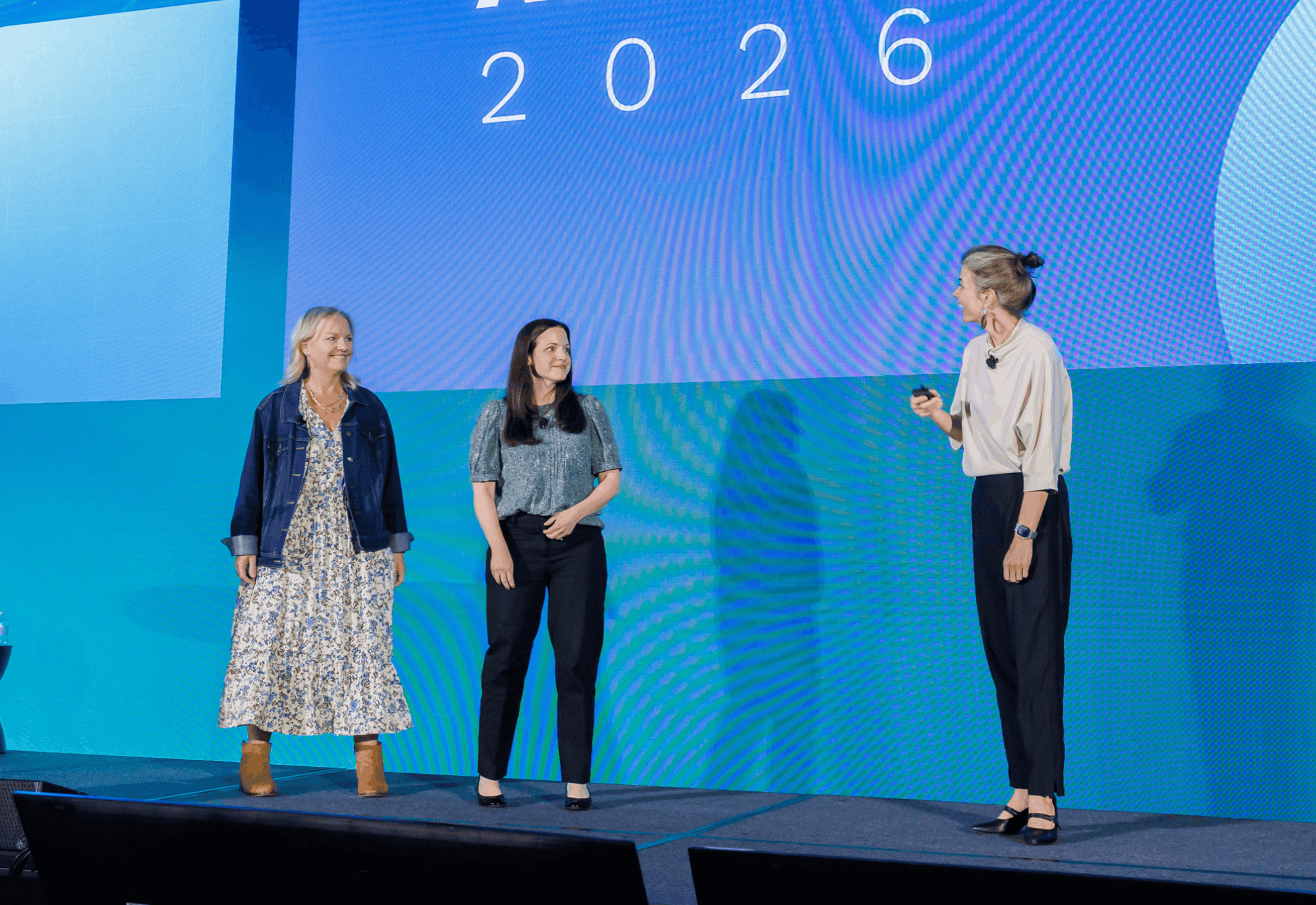
Avature Upfront didn’t just provide a forward look at where HR is headed – it also offered an occasion to look back at what the Avature community has achieved over the past year and celebrate their success.
Chosen and presented by a panel of judges made up of representatives from last year’s finalists, Transcom, Jacobs and IBM, this year’s Avature Awards saw worthy winners across three categories:
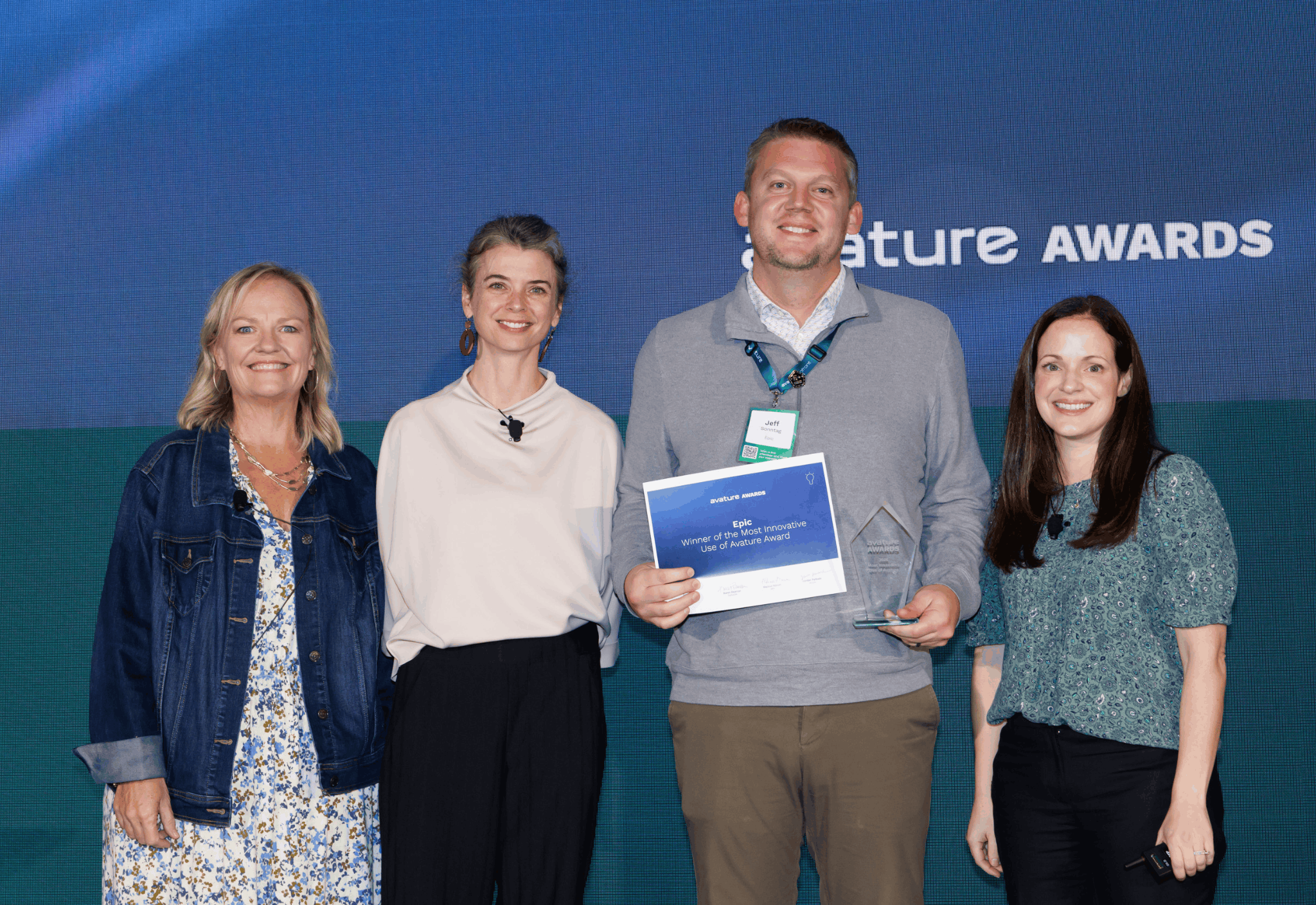
Epic: The Most Innovative Use of Avature
Epic has reimagined how it manages the equipment and materials supporting hundreds of campus recruiting events each semester. Previously reliant on disconnected spreadsheets, the team built a centralized inventory management system within Avature, combining custom objects, dashboards, reporting, portals and QR-code scanning. The solution now tracks more than 500 reusable assets, connects each item to specific events and simplifies check-in, check-out and quarterly audits, while creating a scalable foundation for managing campus event operations.
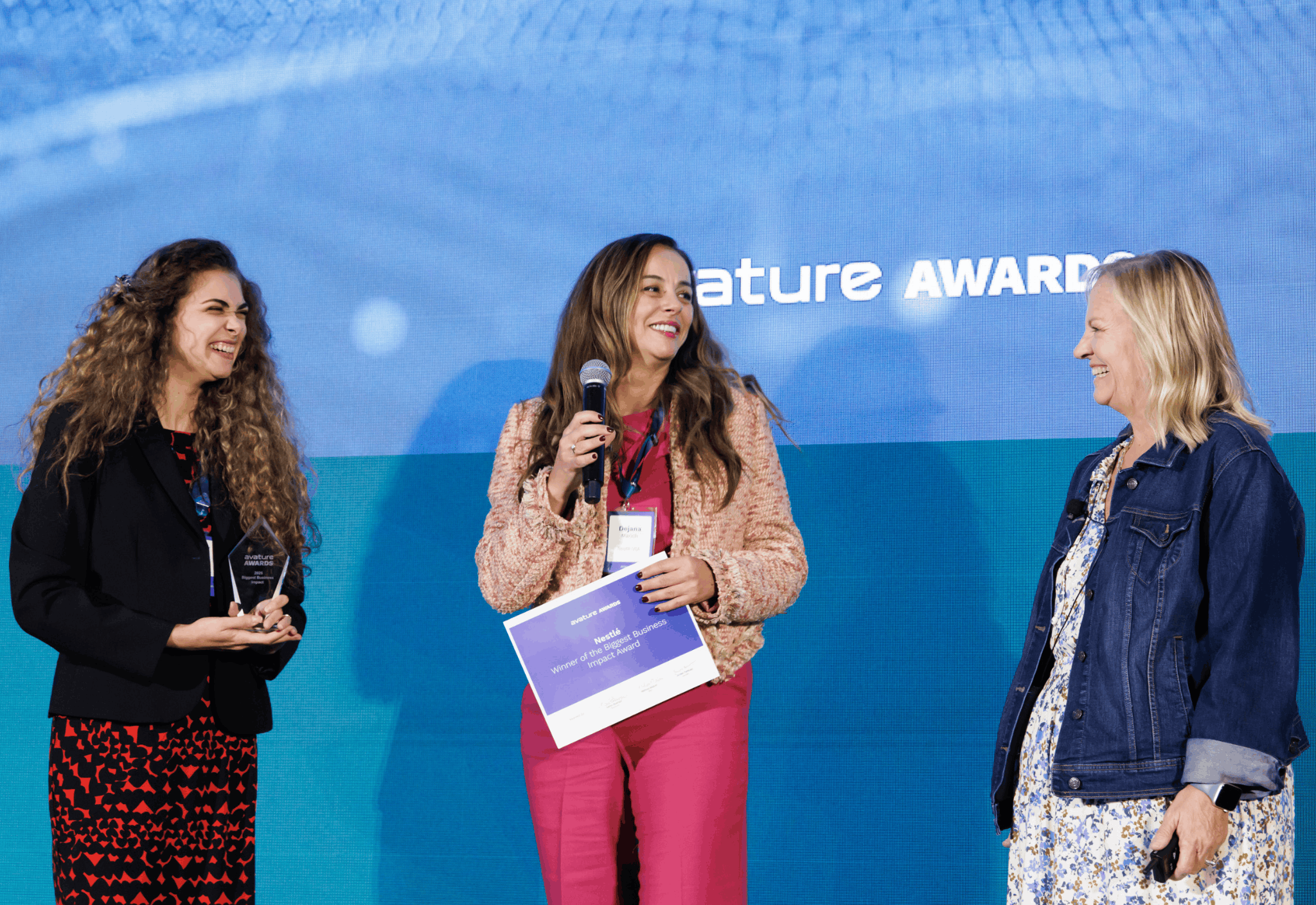
Nestlé: The Biggest Business Impact
Nestlé USA transformed recruitment from reactive sourcing to proactive talent engagement through Avature. Over 2.1 million prospects have joined interest-based talent communities and received personalized content, while silver medalists and other qualified talent have been reengaged to accelerate hiring timelines. The results have been impressive:
- Event registrations have doubled to 23,000, yet automation and integrations have reduced event-related manual work by 50 percent.
- Targeted email and SMS campaigns have influenced 160,000 applications and 40 percent of hires
- Recruitment advertising spend decreased by 30 percent, and dependence on external sourcing was significantly reduced.
- Time-to-fill fell by 10 percent
- Recruitment marketing-influenced hires soared by 63 percent
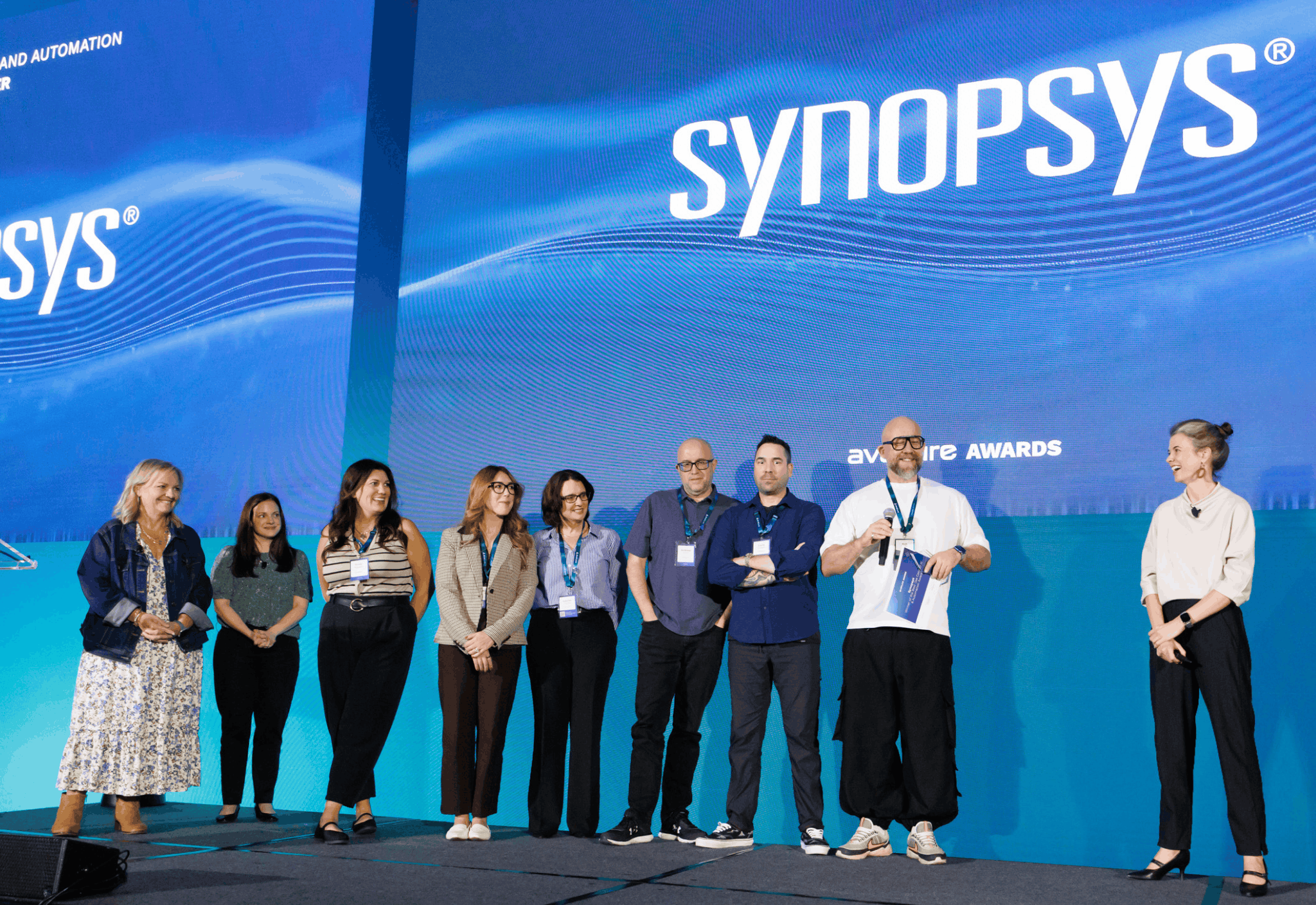
Synopsys: The Best Use Case of AI and Automation
Synopsys tackled recruitment email overload with an automated Daily Recruitment Activity Digest built entirely within Avature. By consolidating notifications into personalized, actionable summaries, the solution has reduced inbox noise and helped recruiters focus on priorities without custom development. The results speak for themselves: 100 percent of surveyed recruiters reported an improved experience, while 94–100 percent found urgent actions easier to identify, demonstrating the impact of smarter automation on recruitment efficiency and user experience.
We turned Avature from a system of record into a source of decision intelligence, so we can now see clearly why candidates disengage late in the process and act on it with confidence. The innovation around digest emails and enhanced stakeholder communication has been a cornerstone of this.”
Rob Devlin
Global TA Technology Program Lead
Together, these stories captured the spirit of Avature Upfront US 2026: a community of talent trailblazers united by curiosity to expand the scope of talent transformation.
Are you an Avature customer with a story to share? Email events@avature.net to discuss becoming a presenter at future events.

Across Avature Upfront US 2026, a common lesson emerged: preparing for a hybrid operating model starts with deliberate choices about how work should happen. The customer stories showed the value of simplifying processes, giving people clear ownership and building safeguards that support action. Combined with the freedom to adapt as needs change, these foundations can help HR leverage new technological capabilities to create a sustainable competitive advantage.
Explore how Avature can support your organization’s next stage of talent transformation. Talk with an Avature expert.