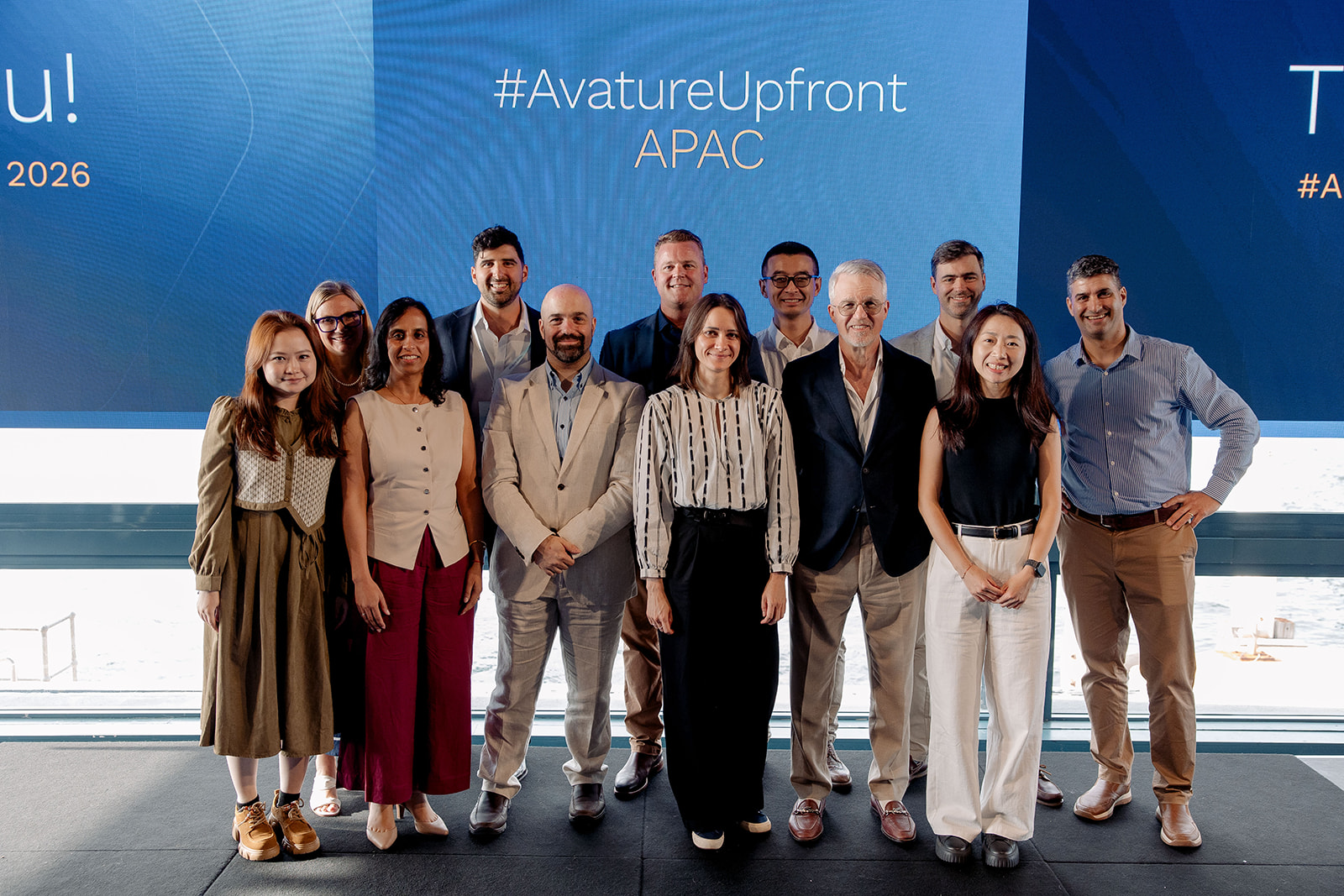
With organizations everywhere seeking to close the gap between AI investment and enterprise transformation, Sydney’s iconic Harbour Bridge provided a fitting backdrop for talent leaders from across the region to gather and share common challenges and best practices at the 2026 edition of #AvatureUpfront APAC.
While AI understandably dominated many of the discussions, what stood out was not only explorations into its direct use cases, but how organizations are reframing traditional aspects of HR, such as employer branding and proactive sourcing, in response to the ripples created by artificial intelligence and automation.
Read on for a recap of the main talking points, insights and inspiring stories exchanged at #AvatureUpfront 2026.

Governance and Coherence Key to AI-Driven Work Design
Avature CEO Dimitri Boylan’s opening remarks set the tone by addressing the tension within organizations seeking to balance the strategic imperative to adopt AI with the operational risks of a technology many are only now becoming familiar with.
He pointed to a misdiagnosis by many of the potential of AI, comparing its early hype with that of other disruptors, like the dot.com era and the shift to cloud computing. In those cases, he noted, true transformation began once the more superficial hype had given way to the quiet, structural work that reshaped work over the decade to follow.
For organizations today to move beyond individual efficiency and isolated use cases, he identified a need to build effective organization-wide guardrails and embed contextual AI into workflows. Without first tackling these challenges, we will struggle to deliver on the transformative potential of agentic AI.
Most business leaders overestimate the near-term impact of new tech on the workplace and underestimate the ultimate impact.”
Dimitri Boylan
CEO, Avature
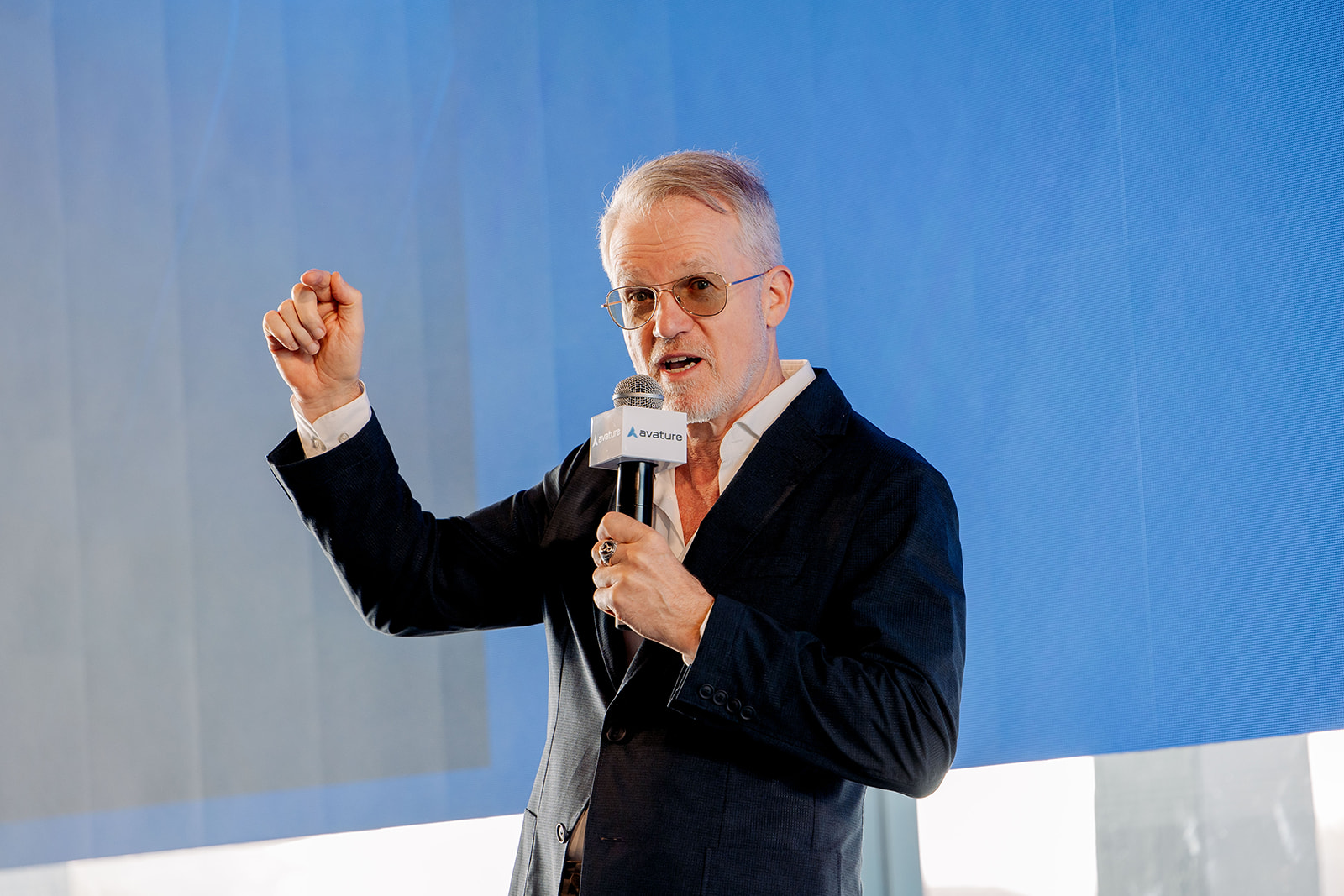
Boylan argued that in the long term, the success of organizations’ AI adoption hinges on consolidating work within a unified, configurable platform architecture in which the work of agents is transparent, workflow-embeddable and completely customizable to each organization’s needs. Doing so provides the context and cohesion necessary for AI to work efficiently while supporting the visibility and control that’s critical to ensuring trust and proper governance.
At Avature, we don’t bolt AI on top. We embed it into workflows. We make it configurable. We allow you to define instructions. Control the data context. Audit the outcomes.”
Dimitri Boylan
CEO, Avature
In the short-term, however, he saw opportunities to start to employ AI in low-risk, high-value use cases, providing the technology being used is transparent and the applications are ethical — a point underscored by recent high-profile HR tech lawsuits.
Finally, he called on HR teams to avoid becoming passive observers to the AI revolution and instead to take strategic ownership of the development and governance of a human-AI workforce. To better equip HR for the task ahead, he said, Avature will be launching a workforce planning solution this year to support organizations in skills mapping and organizational visualization, tighter integration of TA, performance management, learning and scenario planning.
A Roadmap to Integrated Systems, Flexible Design and Autonomy
Workforce planning was not the only major product story on the horizon. In one of the conference’s most anticipated sessions, Avature outlined how its DNA platform will continue evolving for the AI era, with a clear focus on customer autonomy, transparent governance and more connected systems.
At the heart of that vision is the idea that competitive advantage will not come from using the same tools in the same way as everyone else, but from giving organizations the freedom to design systems that reflect their own operating model.
To support that, the roadmap detailed plans for the Agent Builder, a new control centre for configuring, testing and deploying pre-built and custom AI agents with clear rules around instructions, data access and workflow triggers.
User experience is also evolving, with more contextual layouts, smarter scheduling, expanded portal-building capabilities and AI-assisted content creation. At the same time, Avature is deepening interoperability through easier integrations, APIs and cross-system agent communication, while new analytics capabilities aim to make data exploration more natural and actionable.
Taken together, the roadmap session was consistent with Avature’s mission to enable organizations to operate with greater autonomy, to move the platform’s modular building blocks to fit their vision, to tap into the transformative power of AI and to support HR as a strategic enabler of the business.
Sharing IBM’s Blueprint for Human-Agentic Hiring
One company stealing a march on others in the development of hybrid human-agentic work is IBM. If Boylan set out the strategic challenge, IBM showed what it looks like to put that vision into practice.
In an eye-opening presentation from Elaina Chan, Senior Delivery Leader for HR Automation and AI at IBM, we learned how the global technology giants, fresh from achieving $4.5 billion in productivity savings in the last two years, were reimagining TA for the AI age.
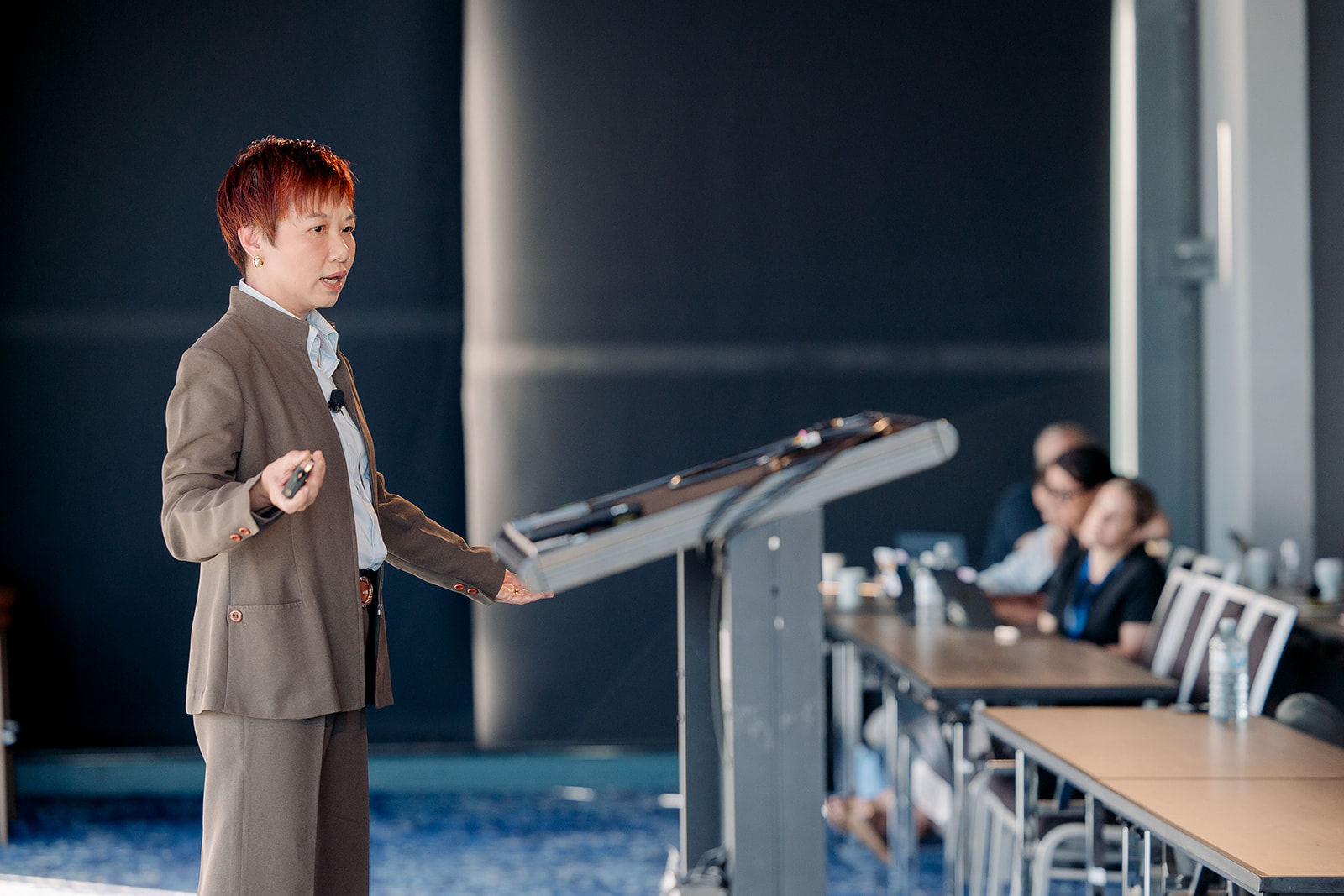
As our recent podcast episode detailed, IBM is making HR ‘client zero’ for its enterprise-wide move to a human-agentic hybrid workforce.
Before touching any technology, we go back to zero and redesign the experience we want managers, candidates, and employees to have. The discipline here is simple: don’t automate the past; design the future first.”
Elaina Chan
Senior Delivery Leader for HR Automation and AI, IBM
Two show-stopping presentations at last year’s US and EU conferences also detailed the scope of its agentic ambitions, but this year we learned how IBM has now moved from laying the foundations for an AI-first future to a phase of ‘deep enablement and communication’ and a marked elevation of the experience. This, Chain shared, would be achieved by scaling tried, tested and trusted AI and delivering a consumer‑grade journey for every recruiter, hiring manager and candidate.
With the flexibility offered by Avature as the foundation, IBM was sunsetting eight legacy TA systems and replacing them with cleaner, faster workflows and their own custom-built extensions, as well as now developing an integrated agentic architecture capable of performing requisition creation, sourcing, selection and job description optimisation.
Everything from CRM and referrals to screening, assessments, interviewing, and offer letters runs through Avature. Because it’s open and API‑driven, it connects seamlessly to AskHR, the agents, and our automation tools.”
Elaina Chan
Senior Delivery Leader for HR Automation and AI, IBM
That IBM has been able to achieve this without the EU AI Act requiring any modification to its practice is a testament to the work of its AI Ethics Board and a reminder that when there is clarity of vision and alignment of purpose at all levels of the business, AI innovation and regulatory compliance are not mutually exclusive.
A Nuanced Take on the Workforce Impact of AI
It’s within the remit of HR teams everywhere to embrace the possibilities offered by AI, but to do so responsibly, with a sober evaluation of the wider impact on the workforce.
This was precisely the focus of the first of the day’s two panel sessions, in which experts explored the issue of workforce readiness in the age of AI and the practical changes to how people learn and how work is designed in this new era.
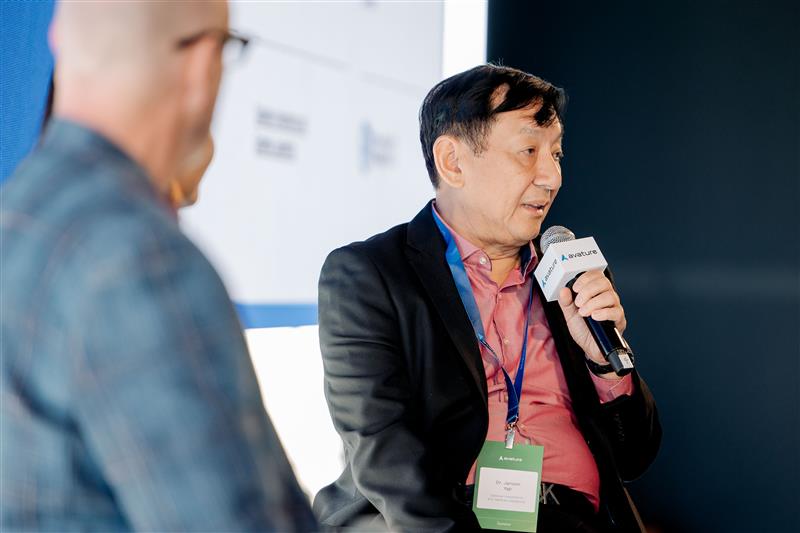
The panel spoke enthusiastically about the rise of employee-led learning, particularly among early-career professionals, who are increasingly using AI tools to build skills faster and take greater ownership of their development. While cautioning that shadow AI use – employees using AI tools independently and without employer knowledge – presented a risk to data security and regulatory compliance, the discussion ultimately highlighted the potential of autonomous learning as a huge boon for the workforce.
A similarly nuanced discussion surrounding the impact of AI on entry-level work also provided a timely reminder that HR’s role is not only to help facilitate AI adoption, but to shape what sustainable adoption looks like.
The panel reasoned that while automation offers practical and commercial benefits, replacing junior roles with AI automation could weaken future leadership pipelines, risk undermining culture-building and threaten workforce sustainability. HR leaders, therefore, will have to strike a delicate balance, taking a proactive role in guiding AI adoption throughout the enterprise while addressing early-career development within the context of strategic workforce design.
Although right now it may seem like a really quick and smart fix to just replace the junior roles with AI, I don’t think that’s a sustainable one.”
Dr. Janson Yap
Former Chief People Officer, The National University of Singapore
The panel also explored an apparent paradox at the heart of AI. As artificial intelligence becomes more embedded in day-to-day work, it places a higher premium on specific aspects of human intelligence. For example, when asked which capability gaps were showing up in organizations, Dr.Janson Yap, former Chief People Officer at The National University of Singapore, quickly pointed to both critical and design thinking.
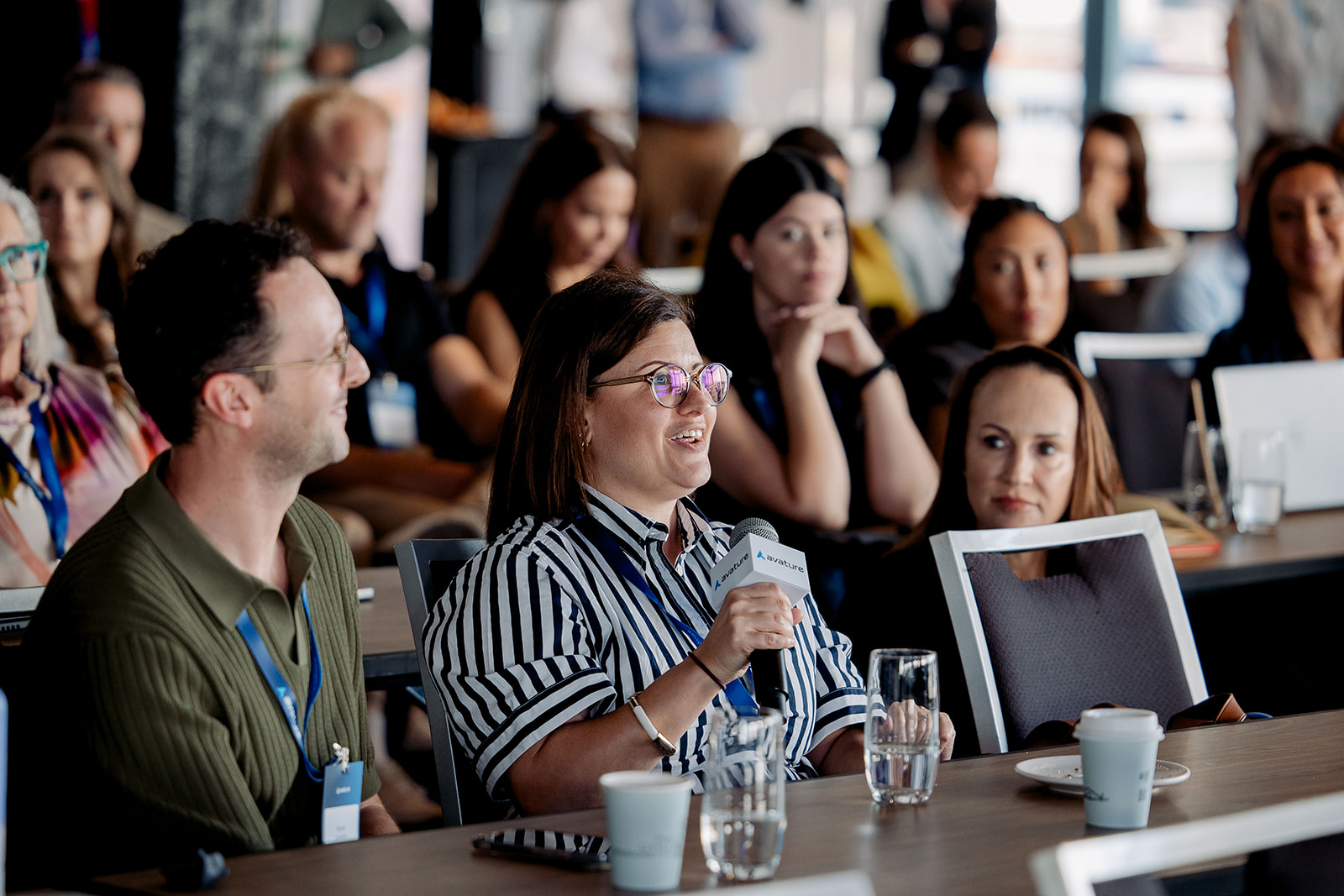
AI is disrupting roles that are easily automated and focused on productivity. The most stable jobs are those that rely on human judgment.”
Dr. Janson Yap
Former Chief People Officer, The National University of Singapore
The temptation for humans to outsource critical thinking – our key differentiator – to AI risks the atrophy of the workforce’s most precious commodity. This, the panel warned, raises a serious challenge for senior HR leaders, educators and indeed society at large: how to embrace productivity gains while protecting human capabilities as core workforce assets.
Why Less Can Be More With Direct Sourcing
Much has been discussed about the technological systems that shape work and their focus on speed, logic and volume. But, as Bupa’s presentation reminded us, there’s also measurable value in redesigning the softer-edged, human aspects of HR, such as candidate experience, relationship-building and the look and feel of an employer brand.
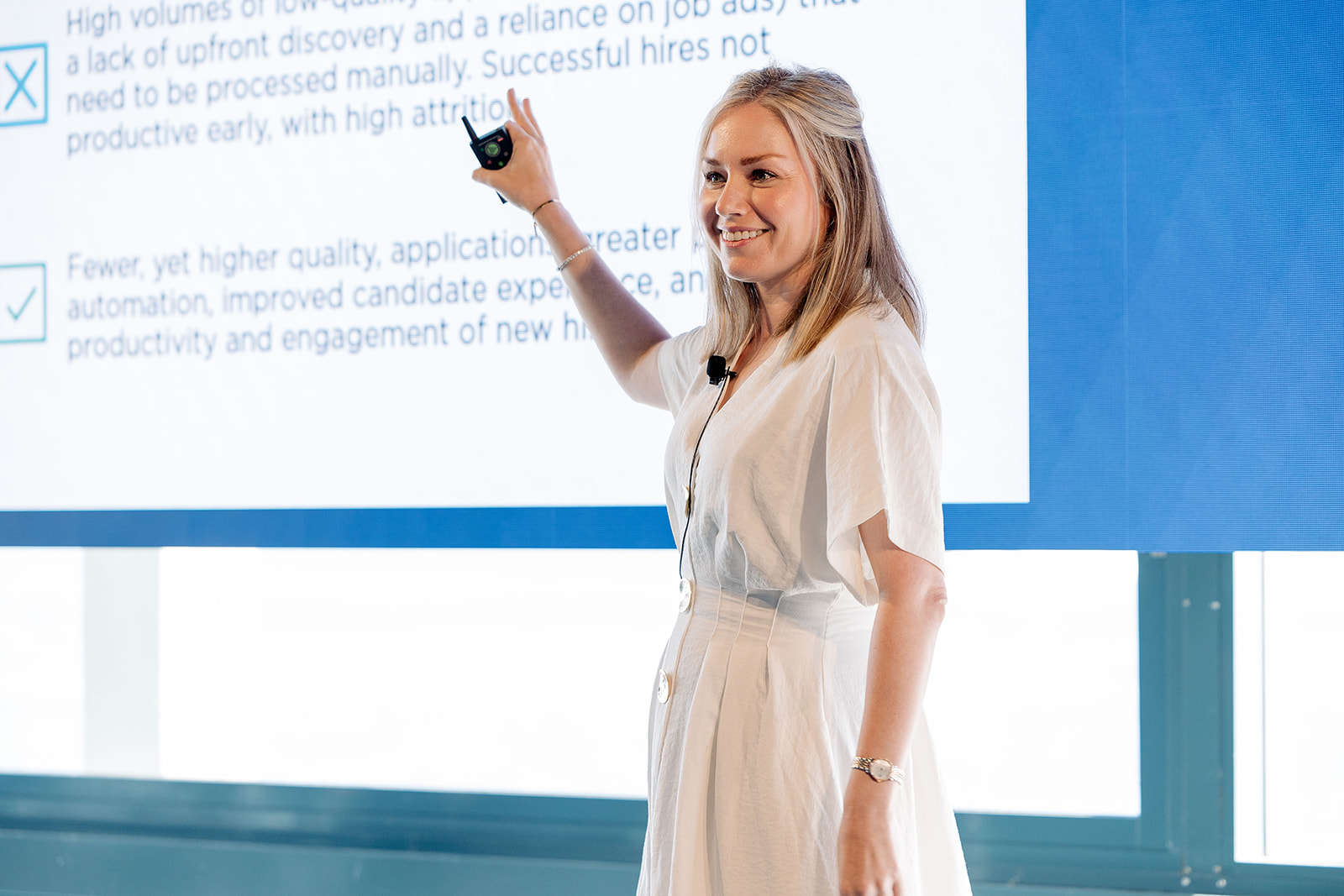
Meagan Michaels, Head of Employer Brand and Experience at Bupa, and Mark Puncher, CEO and Founder of Employer Branding Australia, illustrated that, while it may seem counterintuitive, taking steps to reduce overall applications and investing in employer brand and proactive sourcing can produce significantly better hiring outcomes.
Bupa has, they explained, made it a priority to center their TA efforts around building an engaged community and not just a talent database. By encouraging talent community signups, attending in-person events, recycling silver medallists and providing highly personalised drip campaigns to segmented talent pools, they are now sourcing up to 40 percent of new hires directly.
The impressive figures didn’t stop there: while they would typically need 50 to 60 applications from job boards to make a hire, direct sourcing brings that number to between two and eight applicants. What’s more, we learned that this approach was leading to greater productivity and engagement of new employees.
Your employer brand is not a nice-to-have. It’s the engine room of talent acquisition.”
Meagan Michaels
Head of Employer Brand and Experience, Bupa
With AI and automation making it easier than ever for candidates to submit tailored applications to multiple roles in just a few clicks, crowded funnels are placing strain on TA teams’ ability to identify quality and maintain efficiency. Bupa’s less-is-more approach highlights the value of a more human, more intentional response to what is often framed as a purely technical challenge.
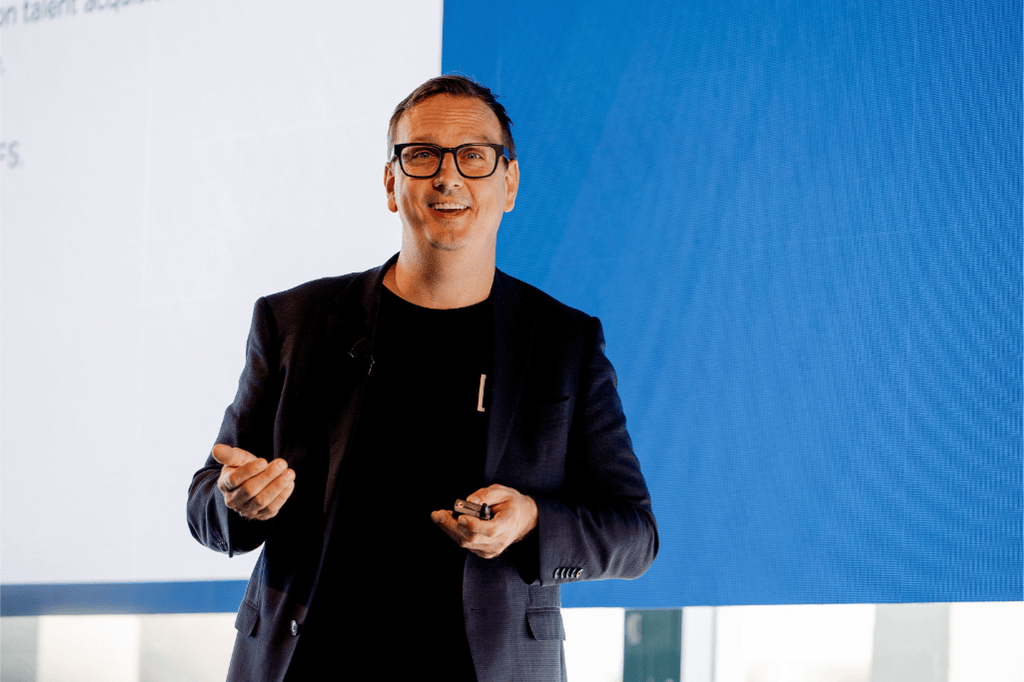
How Fonterra Turned Its Career Site Into an Employer Brand Asset
Another organization using a careers site overhaul to put employer brand front and centre was dairy specialists Fonterra.
Built on the premise that experiences can become a strategic employer brand asset, Katharine Holgate explained that the new global site was designed, not as a transactional application platform but as a flexible experience hub. Through it, she explained, Fonterra offered candidates a genuine view into employee life defined by “real people, real careers, real impact.”
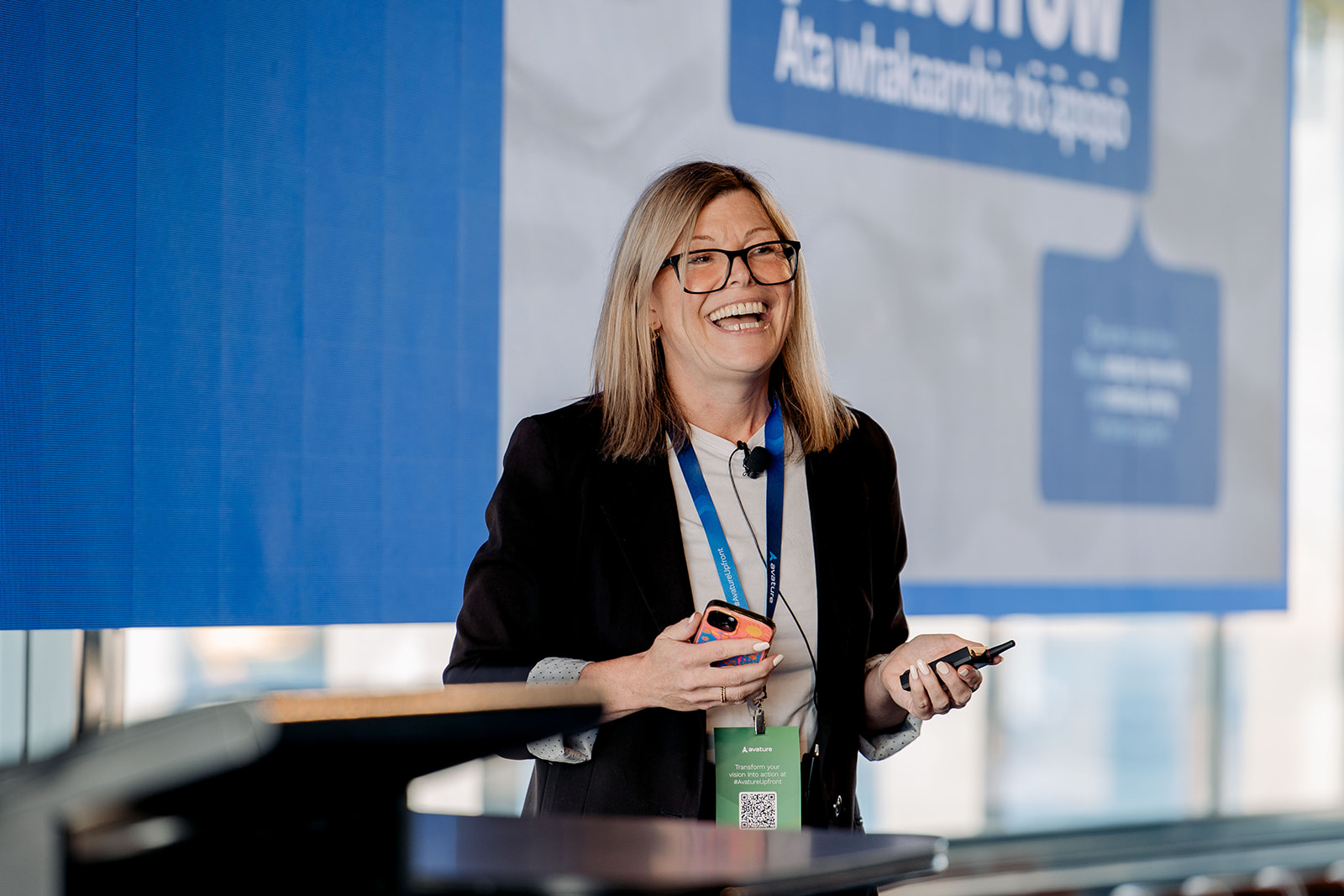
The goal was to distinguish the employer brand from its consumer image as a dairy producer, by showcasing roles in engineering, marketing, sustainability and science.
To achieve this, Fonterra worked in partnership with Avature to separate what needed global consistency, such as brand, values, principles and technical foundations, from what required local flexibility, such as storytelling, campaigns, job families and cultural nuance. The new site’s backend now supports AI-driven role matching, richer career content, reusable templates and rapid page creation.
Crucially, much of the career-site redesign was carried out autonomously, using Avature’s Portal Apps Builder. This enabled Fonterra to manage timelines more effectively and make changes without the need for constant vendor support.
[The Portal Apps Builder] allowed us to build new pages quickly for campaigns, locations, business units and projects, using reusable structures instead of starting from scratch every time.”
Katharine Holgate
Talent Marketing Manager, Fonterra
Together, these examples showed that experience design is becoming a more strategic part of HR. But as another panel made clear, the function’s responsibilities are expanding in other directions too.
HR’s Expanding Mandate: From Hiring Risk to Strategic Influence
As many of the sessions illustrated, AI isn’t only changing the tools we use to run HR; it’s forcing a drastic rethink of how we hire, who we hire and the wider context in which recruiting and work take place.
A case in point is the growing prevalence of AI-assisted candidate fraud and embellishment brought on by the AI tools now available to candidates, legitimate or otherwise.
In an enjoyable, interactive panel session, we heard how talent leaders from a range of industries were tackling this modern take on an age-old issue. What was clear from their responses is that there are no silver bullets and that a combination of tactics is necessary to mitigate the risk.
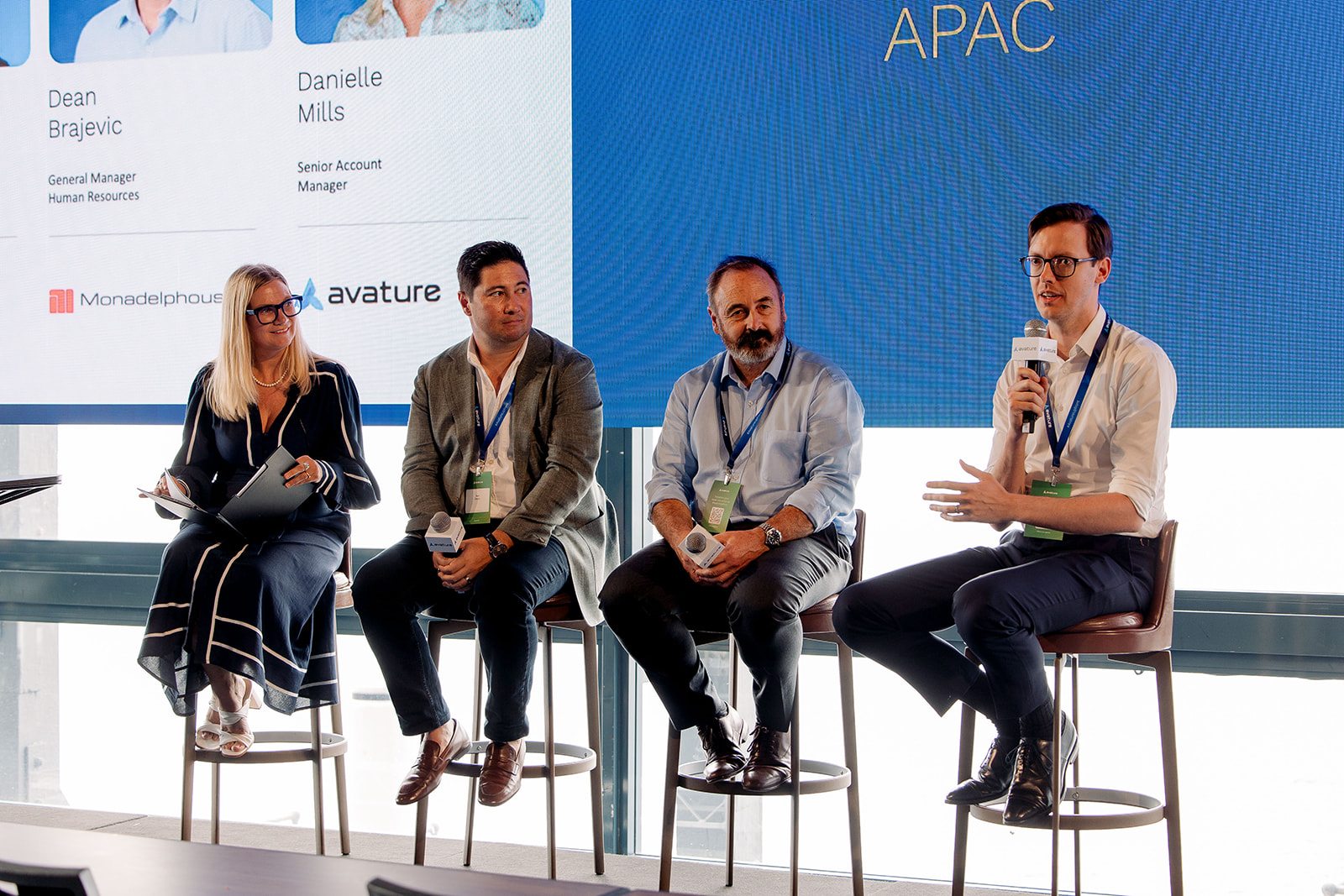
These included an embrace of traditional methods of recruiting, such as face-to-face interviews (even incurring the expense of flying the candidate in), in-person equipment onboarding for remote roles and a greater emphasis on referrals and proactive sourcing of known talent.
Going back to traditional methods of meeting people in person is an incredibly effective defense against some of these more sophisticated threats.”
Tosh Onishi
Former Head of Talent Acquisition, Okta
Dean Brajevic, General Manager Human Resources at Monadelphous, saw the issue more broadly in terms of ensuring quality of hire through the training and better engagement of hiring managers. This perspective was echoed by Andrew Fairhurst, Senior Manager, Talent Acquisition at Ashurst, who endorsed more focused skills testing throughout the hiring process as a means for discerning genuine candidates from those who have embellished their experience.
Tosh Onishi, Former Head of Talent Acquisition at Okta, also advocated for more vigilant use of the stock standard elements of HR, such as probation periods and hiring for cultural fit, as necessary steps to mitigate issues around candidate quality.
But managing hiring risk is only part of the story. The discussion also turned to how HR can translate its expertise into influence at the highest levels of the business.
It was with this in mind that the panel was quizzed on what they believed was key to ensuring HR gained a seat at the top table and, once there, was able to communicate effectively with the business.
HR leaders need to understand where their work sits within wider business strategy and how it must be framed according to the primary interests of executive teams.
Telling a story with the data is something all panelists believe is central to communicating effectively with other senior leaders, especially when seeking action or a change in how the business operates.
One example given was of increased competition removing talent from the market. When this market intelligence lends context to the numbers, you can influence partners and affect change, such as through a reevaluation of salary bands and so forth.
It’s really easy to just sort of give facts and figures without any form of actual proper narrative behind that, and how it’s impacted the last three, six, or twelve months. [Without that context,] you’re not going to get anywhere.”
Andrew Fairhurst
Senior Manager, Talent Acquisition, Ashurst
Building Buy-In Through a Shared TA Roadmap
The importance of aligning HR strategy with business reality was a recurring message throughout the day, and it came through especially clearly in Monadelphous’ refreshingly candid presentatiod delivered by Huw Casley and Niall Hickey of Monadelphous.
They shared how in 2022, the industrial engineers’ TA function attempted a highly complex, big-bang approach to digital transformation, only for its over-customization and adherence to a patchwork of legacy processes amplifying rather than solving their problems.
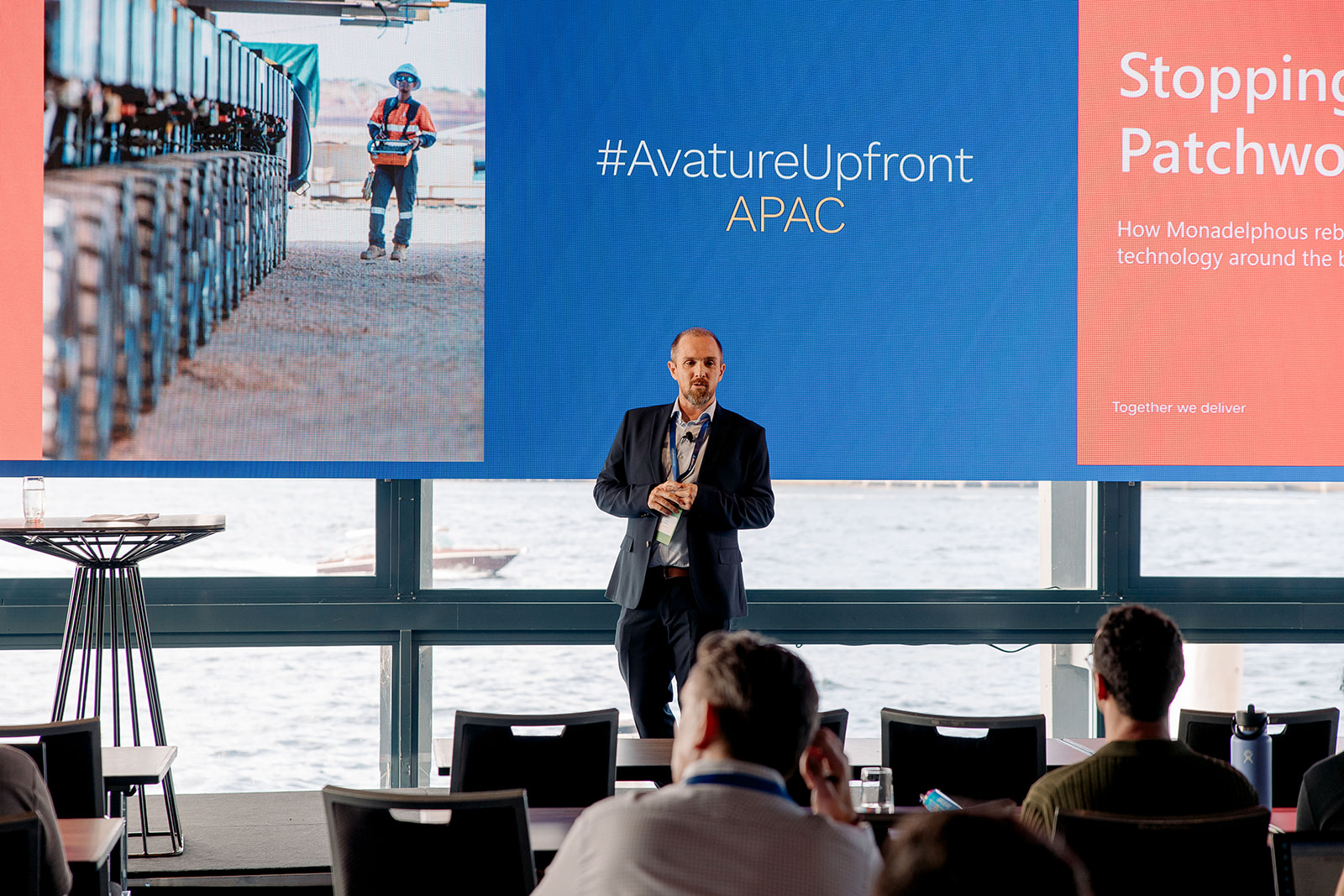
So, in 2024, they went back to the drawing board. This time, they treated Avature’s high configurability as an opportunity to do more than just consolidate previous ways of working, and instead asked themselves: ‘what does good look like?’ With this simple change in mindset, they were able to start with a blank canvas and, in close partnership with Avature, design a truly end-to-end TA journey, bringing coherence to complexity and mapping tailored experiences for every stakeholder.
The solution wasn’t another manual workaround. It was building more structure into the workflow, creating consistency across the function and giving us the visibility to measure performance properly.”
Niall Hickey
Manager of Recruitment Performance, Monadelphous
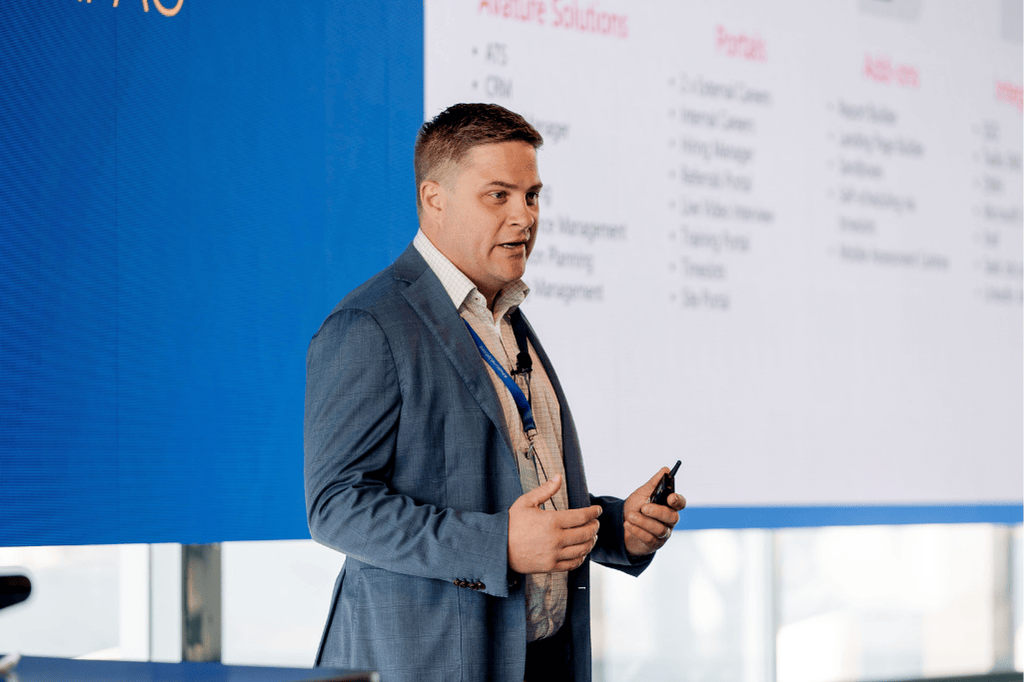
Crucially, change management was now supported by a realistic, shared roadmap, which put TA in lockstep with all levels of the business, while working to a cadence that meant progress could now be projected and measured in quarters and years, not days and weeks.
AI Is Here But It Isn’t the Only Story
Different as these stories were, they all pointed to the same underlying shift: HR is being asked not just to adopt new tools, but to redesign work more deliberately.
With the sun setting over Sydney Harbour, Boylan took a few minutes to thank the Avature community for another memorable event.
If there was one defining message from the stories shared in Sydney, it was that meaningful transformation rarely comes from technology alone. HR is entering a new phase of influence. AI may be accelerating change, but the organizations making the greatest progress are those pairing innovation with clear governance, strong employer brands, better experiences and a sharper understanding of business needs.